Carried in one dry tonne of wood
Dry wood is approximately half carbon by mass. One tonne therefore carries about 1.83 tonnes of atmospheric CO₂ into the material stream.

Independent nonprofit plant biotechnology
Building on pioneering photosynthesis research to improve what trees can do for people and the planet.
Real engineered trees have already grown beyond the laboratory. Carbocene builds from this demonstrated biology to develop better plants and study what they can do in the world.
Photosynthesis · Productivity · Carbon storage
A tree becomes shade over a playground, shelter along a field, habitat for wildlife, or wood for a home. All of these things take time to grow.
Trees capture atmospheric carbon through photosynthesis and incorporate it into living biomass. Improving that process could help trees grow more rapidly, produce more useful biomass, and bring their benefits sooner.
Photosynthesis sustains nearly all the food we eat, the forests we depend on, and much of the living world. Improving its efficiency could help us grow more food on existing farmland, produce more wood and natural fibers, and remove more carbon dioxide from the atmosphere.
What happens after growth matters too: how a forest is managed, what its wood becomes, and how long the captured carbon stays out of the atmosphere.
From living trees to useful materialsDemonstrated biology · Working scientific capability
An engineered tree, a greenhouse, a propagation practice, and a field become more useful when they work together.
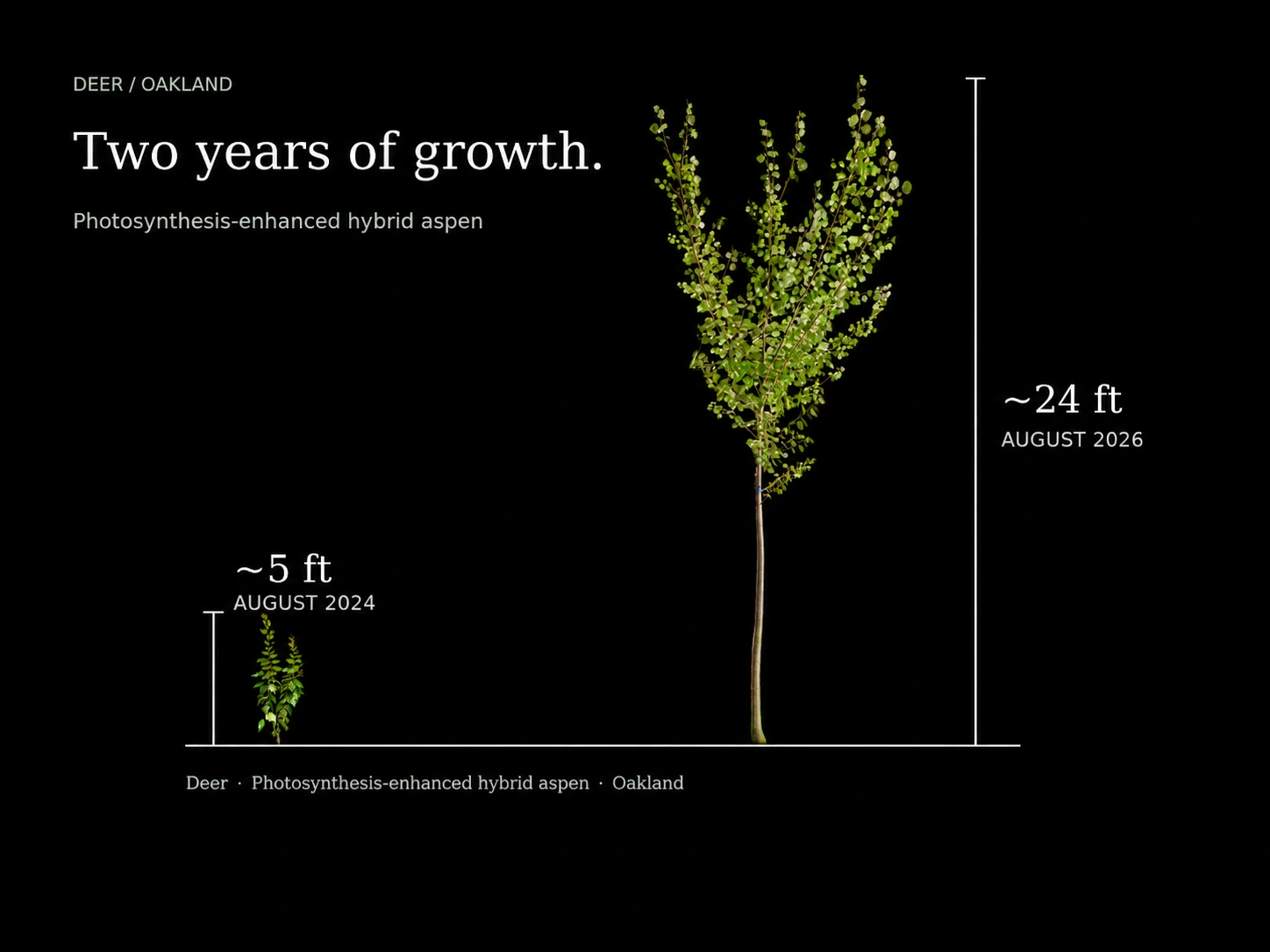
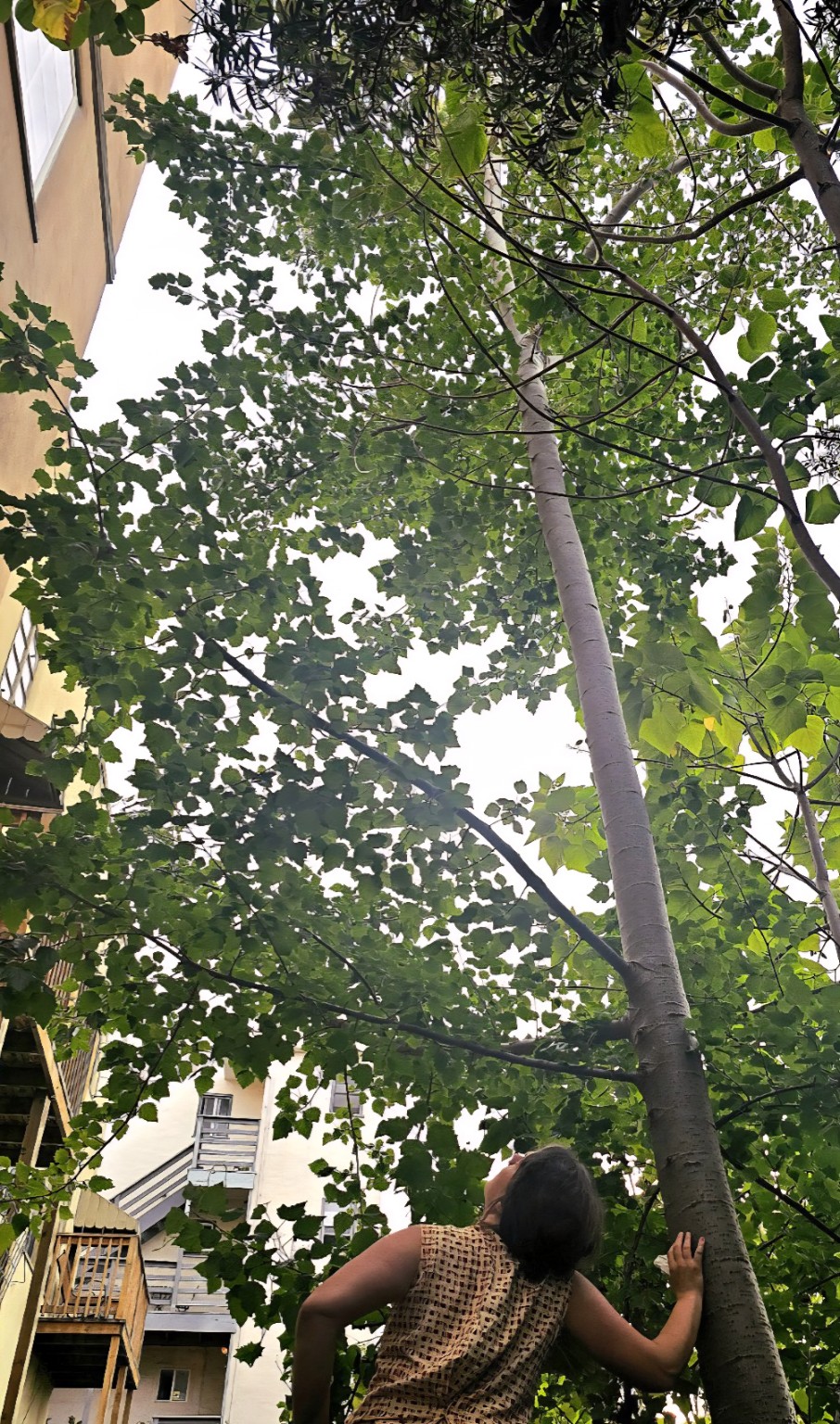
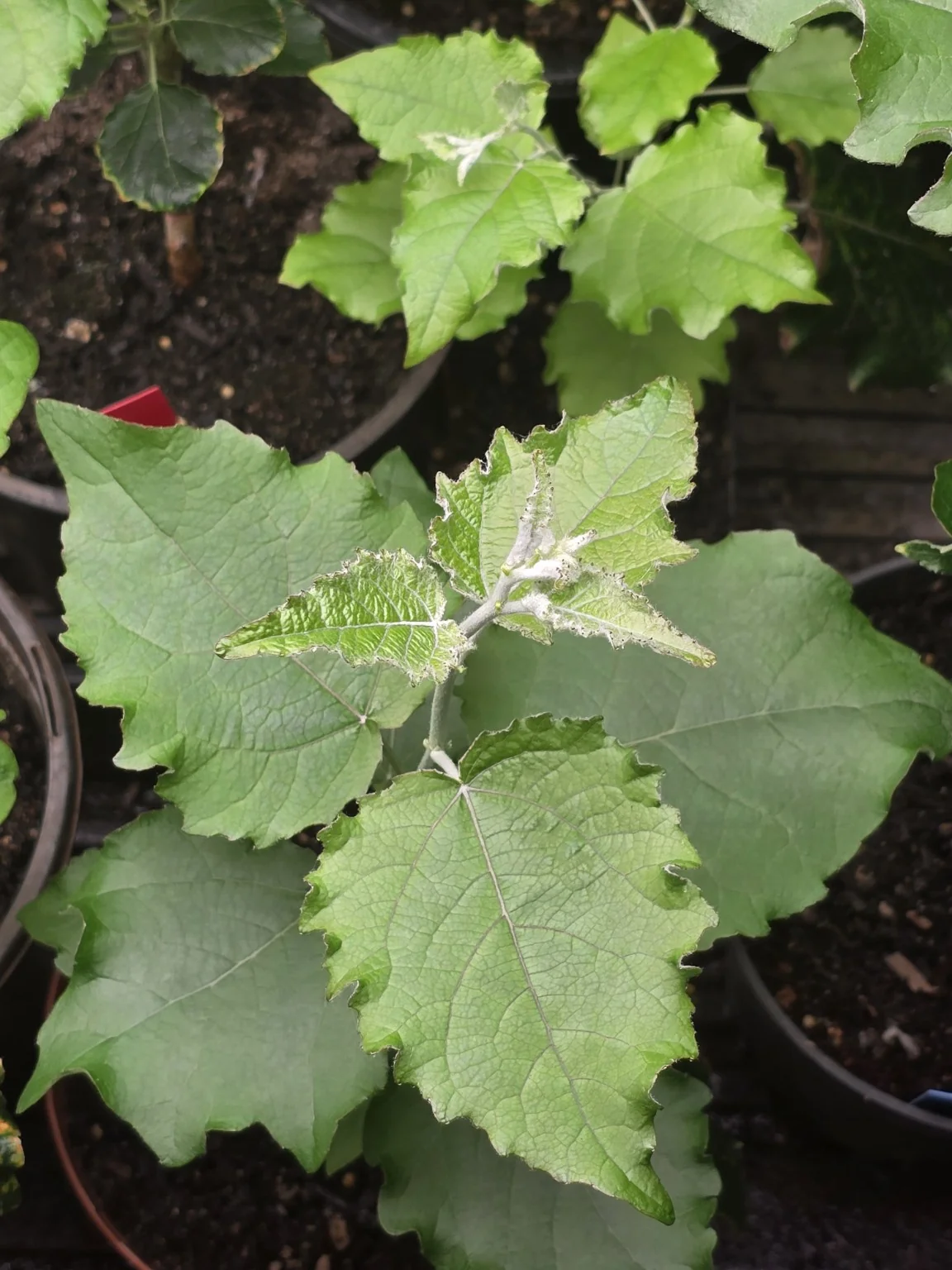
Carbocene maintains and propagates Deer, a photosynthesis-enhanced hybrid aspen (Populus tremula × P. alba), under a perpetual nonprofit, noncommercial license. The line retained an enhanced growth and biomass phenotype across successive vegetative propagation cycles and entered replicated field testing.
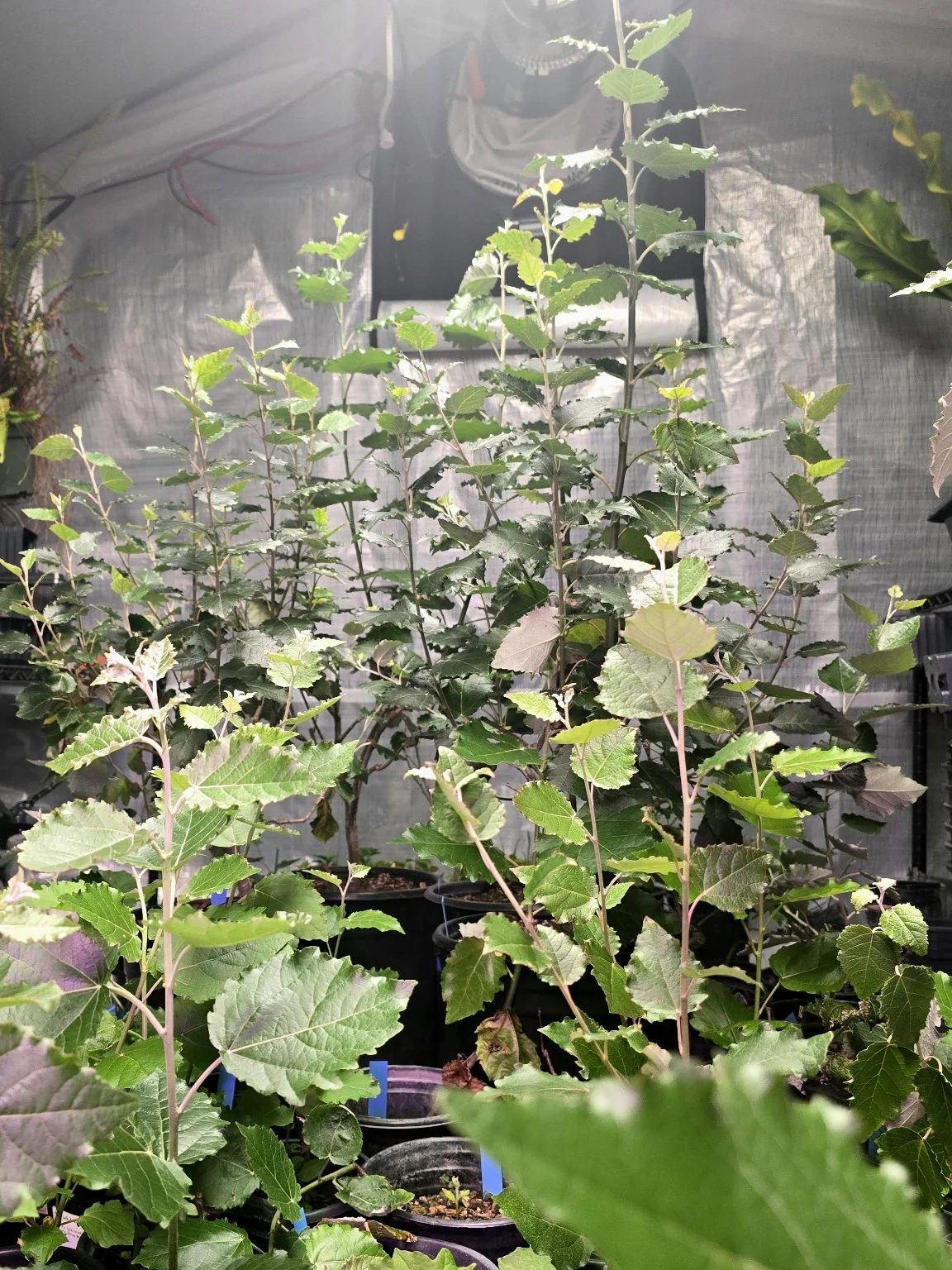
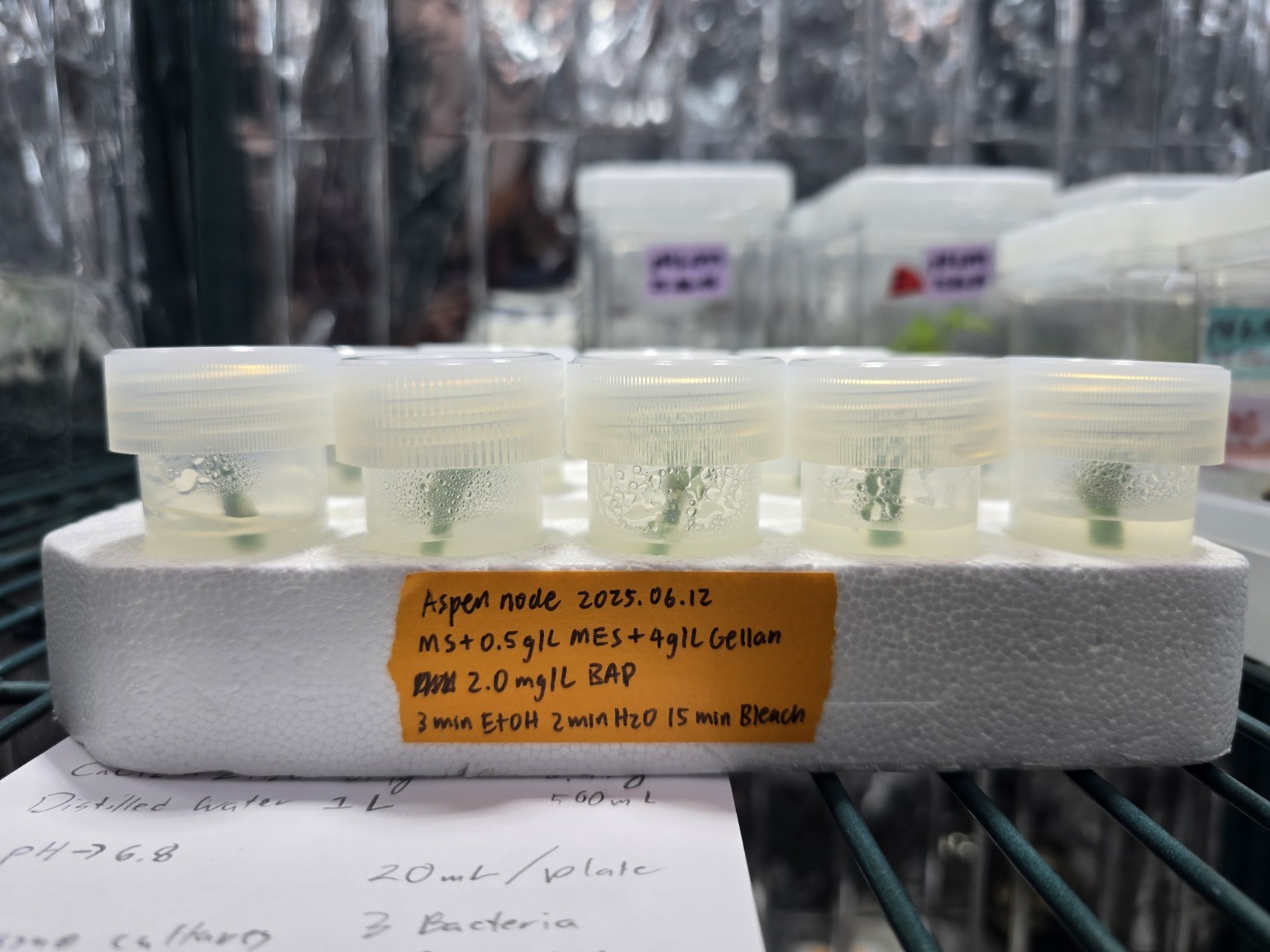
The licensed California nursery, Oakland greenhouse, and living plant collection connect daily plant care with propagation, tissue culture, experimental records, and physiological observation. They provide the organisms, methods, and continuity needed to ask new questions.
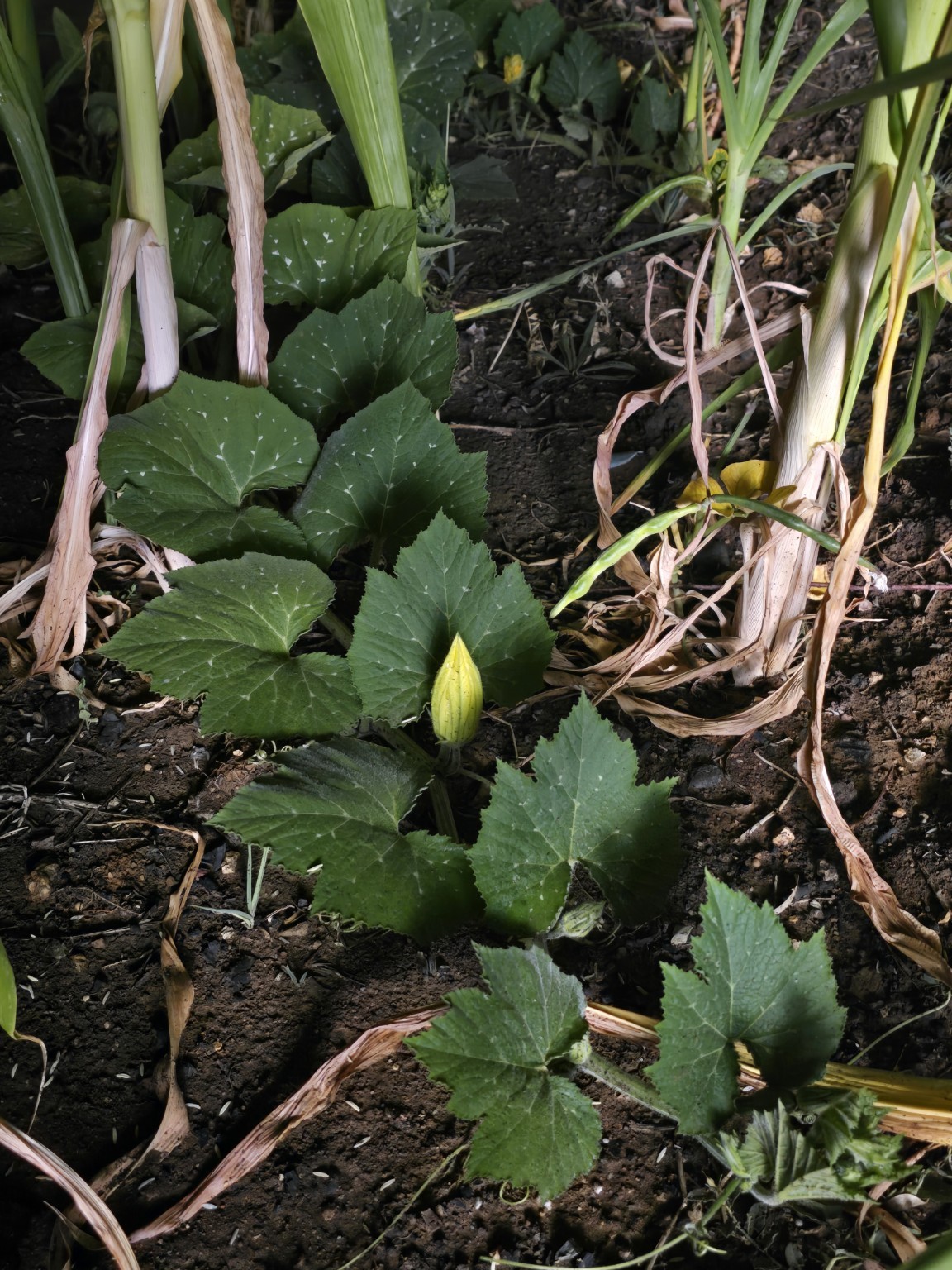
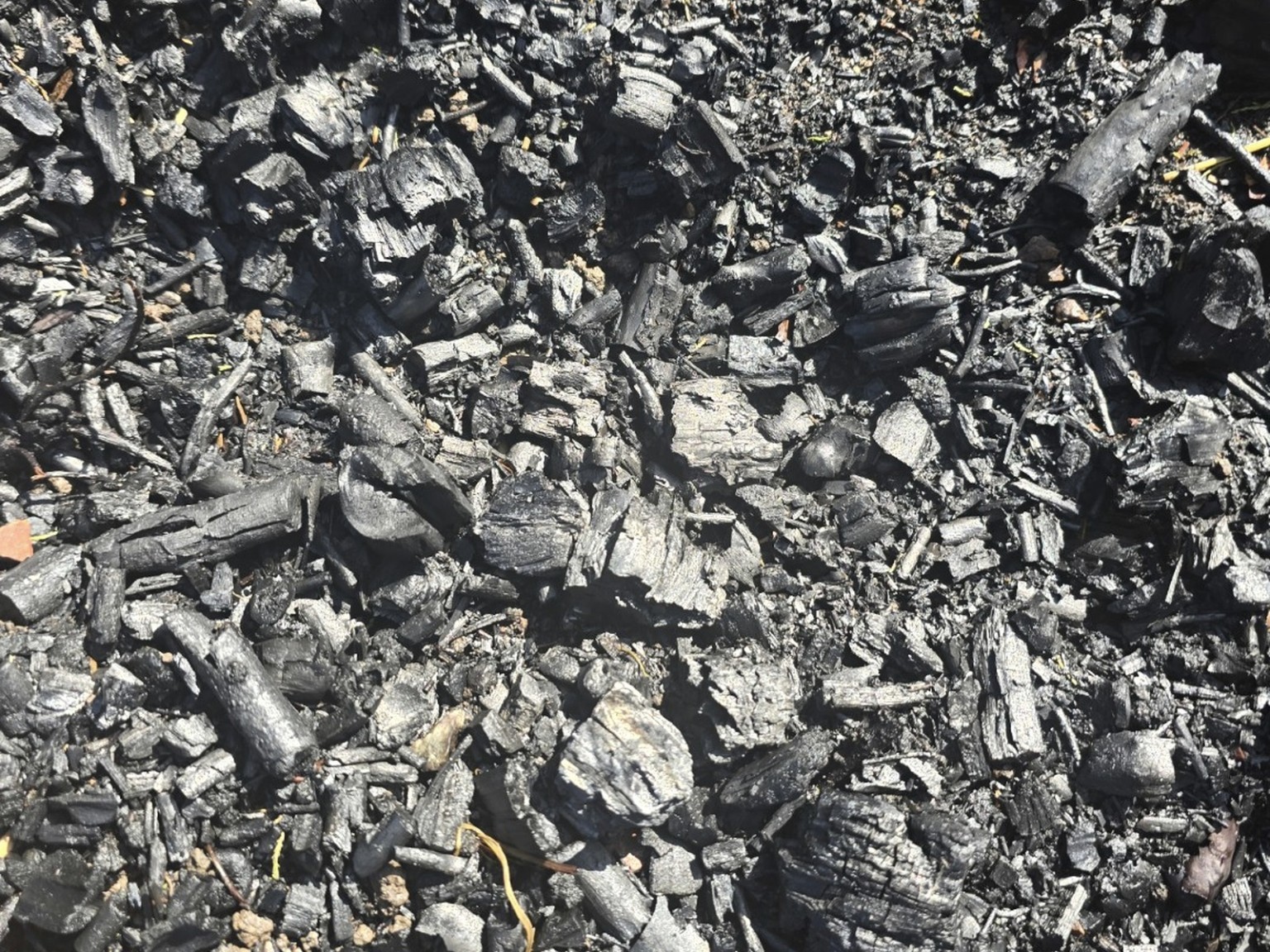
Current field cultivation connects mixed crops, ecological observation, and progressive soil development with existing on-site biochar and compost production. Plant growth supplies biomass; cultivation and biomass management shape the soil; measurements and records inform the next experiment. This is an operating physical system from which more structured studies can develop.
Central research program · In development
Engineering does not end at a molecular mechanism. It must change what a living plant can do.
Carbocene’s independently developed program coordinates complementary aspects of photosynthesis and metabolism. It is more ambitious than recreating a single photorespiration-bypass design: the goal is to connect improvements in cellular processes with growth, allocation, regeneration, and performance in the world.
Deer is a demonstrated, licensed platform. Carbocene’s new designs and constructs remain in development; they have not yet produced validated new tree lines. Each stage below is part of the work required to establish whether a design succeeds.
Identify complementary mechanisms that could improve the way plants use light and assimilate carbon.
Translate designs into genetic constructs and introduce them into plant cells.
Recover plants and select independently transformed events for further study.
Multiply candidate lines and characterize their photosynthetic performance under measured conditions.
Test growth, biomass allocation, and regeneration—not only a response in an isolated leaf.
Evaluate management, ecological integration, measurement, and productive use over time.
The world beyond the greenhouse
A tree can become the wall of a building, a roof beam, a table, a fiber, or a component of a composite.
Cross-laminated timber layers boards in alternating directions to form large panels. Glulam bonds wood laminations into beams. These engineered wood products make the connection between plant growth and human infrastructure tangible: biological production becomes useful, potentially long-lived structure.
Improved biomass production could support forest products, construction timber, furniture, fibers, and manufactured biological materials. Managed harvest and regeneration connect successive crops of wood; residual biomass can enter other productive uses, including biochar.
These are potential material pathways, not existing Carbocene products. Carbocene does not currently manufacture structural timber, and Deer has not been qualified as a structural product. Species, wood properties, processing, safety, and life-cycle performance require their own evidence.
Explore the physical scale and material pathways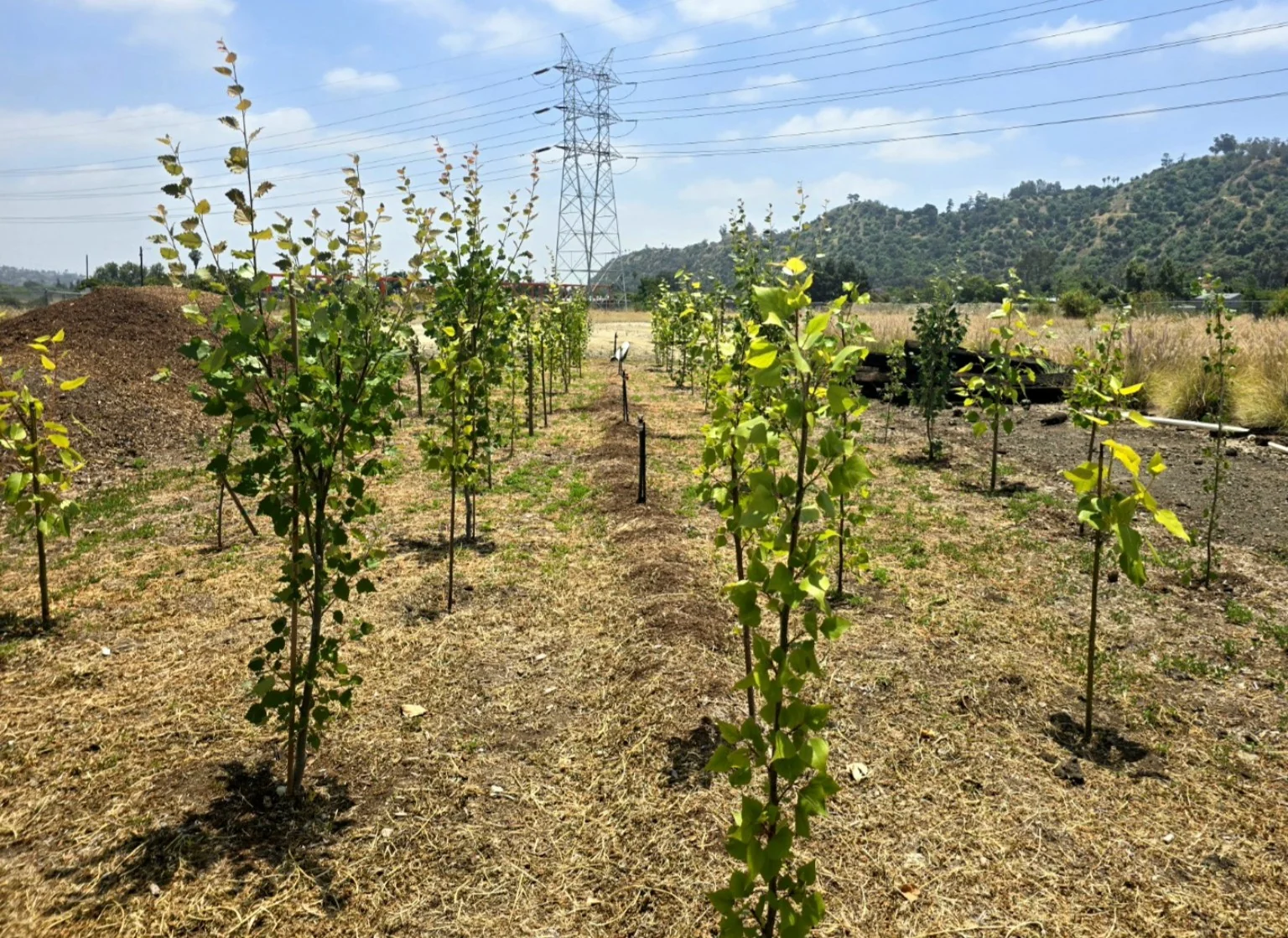
Ecology, restoration, and carbon storage
More productive forests, mixed-species reforestation, and regeneration after harvest are opportunities to investigate alongside habitat, water, soils, and local ecological conditions. Coppicing—regrowth from established roots or stumps—connects repeated growth with management over time.
Degraded mining and industrial landscapes raise further questions about phytoremediation, the use of plants to take up or manage contaminants, and plant-mediated elemental accumulation. Earlier copper-accumulating aspen work investigated a distinct biological-durability pathway; those historical plants and results are not Deer.
Photosynthetic performance describes carbon entering a plant. Long-term storage depends on what happens afterward in forests, materials, soils, and biochar. Ecological restoration requires its own assessment. Faster growth alone establishes neither net long-term carbon removal nor restoration success.
What scale means
Three numerical anchors connect carbon entering wood to mixed-stand deployment and an integrated forestry systems trajectory.
Dry wood is approximately half carbon by mass. One tonne therefore carries about 1.83 tonnes of atmospheric CO₂ into the material stream.
A 25% biomass gain carried by half the trees in a mixed stand adds 12.5% at stand level.
A historical design case combined coppicing, photosynthesis enhancement, and durable carbon pathways including biochar and bio-oil.
Community & landscapes
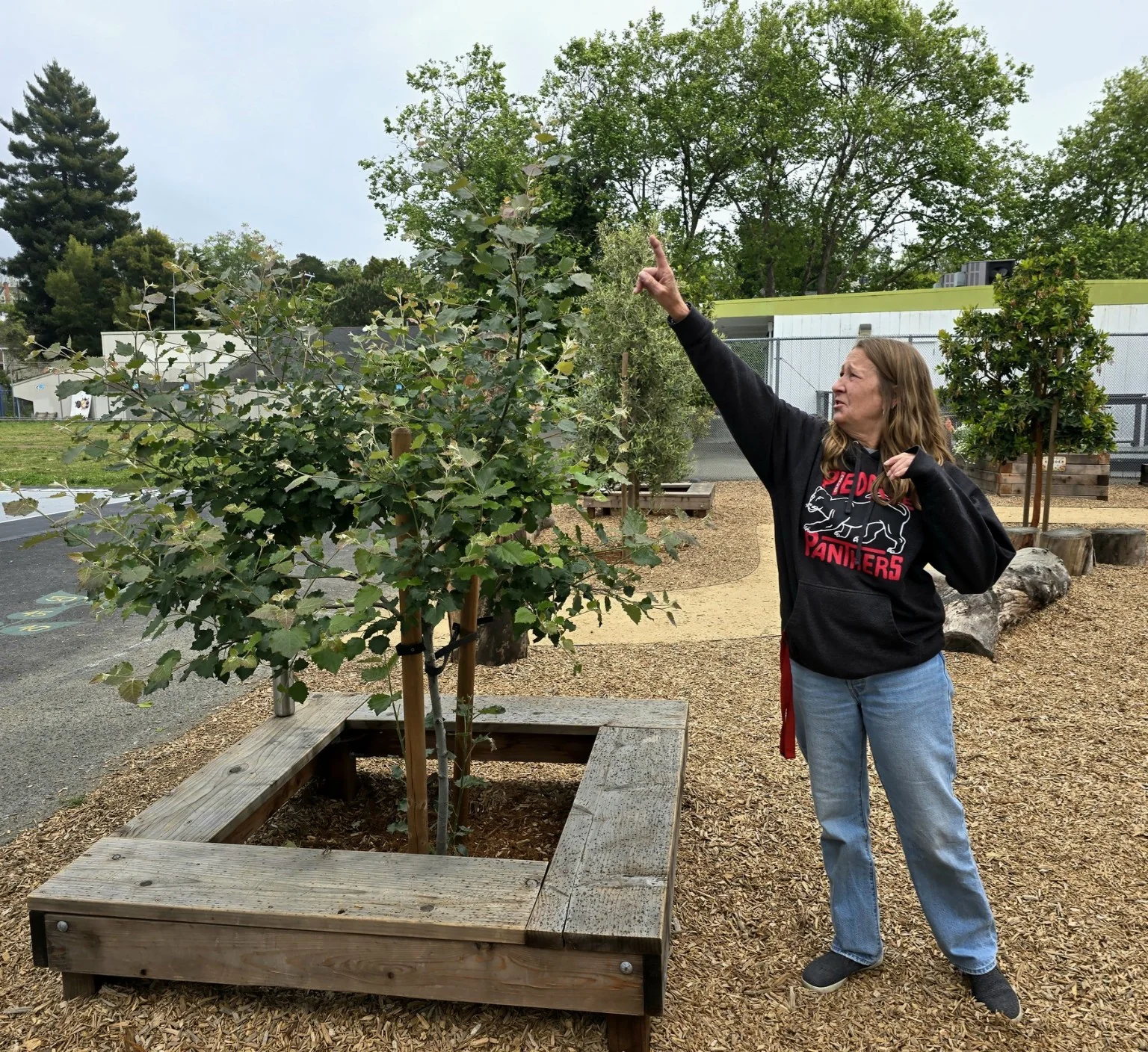
Schoolyards and public landscapes connect plant biotechnology with people who can care for trees and observe them over years.
At Piedmont Avenue Elementary in Oakland, a photosynthesis-enhanced Baboon-lineage aspen offers a record of growth, pruning, and regrowth. In Michigan, International Academy of Macomb students helped plant 100 photosynthesis-enhanced aspens in public parks in 2023 as part of the earlier Living Carbon program.
Today, greenhouse visits, community cultivation, scientific collaboration, and carefully arranged stewardship offer ways to contribute. Schools, growers, landholders, and restoration practitioners can help develop the next questions and the records needed to answer them.
Interactive Earth-history reconstruction
Explore the interactions among climate, the biosphere, atmospheric chemistry, oceans, and geological time across 4.54 billion years.
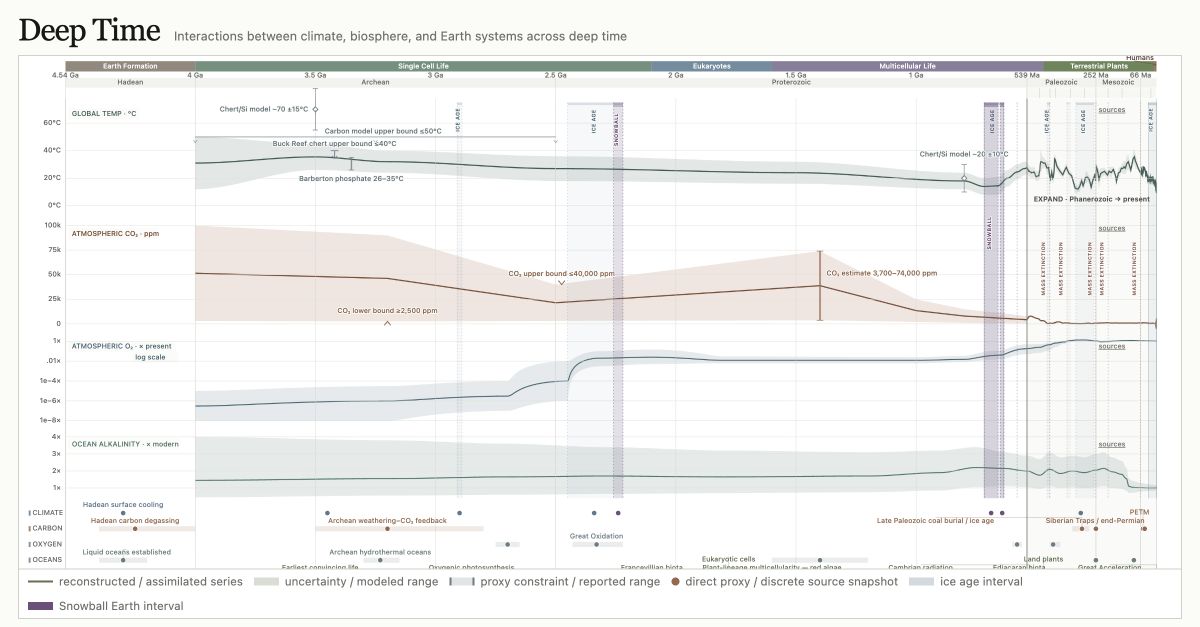
The interactive reconstruction places biological change and carbon movement in planetary context, connecting living systems with atmosphere, oceans, materials, and geological reservoirs.
The 2019 talk Deep Time Perspectives on Climate Change framed questions that later informed this reconstruction and Carbocene’s biological work.
Watch the talkWhy an independent nonprofit?
Plant biotechnology often needs years between proof and use. Living collections, scientific labor, propagation, field measurement, and institutional knowledge make continued development possible.
Carbocene’s nonprofit structure supports work whose public, scientific, physical, and eventual commercial value may emerge before an immediate private return. Continuity is infrastructure for creation: maintaining living capability allows new experiments and new technologies to develop.
The deeper scientific history, philosophical perspective, and institutional argument remain part of the work.
Documented research history
The earlier work was built collectively by scientists, tissue-culture and transformation teams, greenhouse and nursery staff, field crews, forestry partners, educators, and community collaborators.
By 2024, the program had reached several-million-tree production scale across photosynthesis-enhanced hybrid-poplar events, selected a final lead event, established replicated field experiments, and advanced additional transgenic tree programs into loblolly pine event selection and eastern cottonwood (Populus deltoides) transformation. Carbocene carries that accumulated experience into continued biological development and new field evidence.
Science
Experimental results and independent scientific context.
Read the Science reportMIT Technology Review
Research history and intellectual origins.
Read the MIT Technology Review accountThe New York Times
Field-planting milestone.
Read The New York Times reportFounding philanthropy
Carbocene is seeking founding philanthropic partners to establish a sustained research program in photosynthesis engineering, biological carbon storage, and the development of better plants.
With very limited funding, Carbocene maintains a living scientific capability. Philanthropic partnership can expand scientific labor, propagation and measurement, new photosynthetic engineering, field studies, and collaboration into a sustained program whose benefits could extend across forests, agriculture, and the climate.
Participate · Collaborate · Support
Contribute scientific expertise, work with the plants, develop a field relationship, or help build the institution that makes sustained research possible.