How the bypass works
A shorter route for recycling phosphoglycolate.
Rubisco sometimes captures oxygen instead of CO₂, producing phosphoglycolate. Trees normally recycle it through photorespiration, a long pathway crossing the chloroplast, peroxisome, and mitochondrion. Deer carries a synthetic bypass that keeps more of this recycling inside the chloroplast, reducing its energetic cost and returning CO₂ near Rubisco, where it can be fixed again.
The C4 precedent
A leaf-level innovation with continental effects.
C4 photosynthesis evolved nearly seventy times, concentrating CO₂ around Rubisco and reducing photorespiration. As C4 grasses expanded in the late Miocene, this leaf-level innovation helped transform grasslands, fire regimes, animal communities, and terrestrial carbon cycling across continents.
True C4 trees are almost unknown. The pathway requires coordinated changes in leaf anatomy, metabolism, and long-distance transport that have proved exceptionally difficult in trees. Secondary growth changes the stakes: trees add carbon to wood year after year, allowing enhanced capture to accumulate across decades. Deer addresses the same ancient constraint within that long-lived growth form by shortening the recycling pathway after Rubisco captures oxygen.
Biological context
Deer lineage.
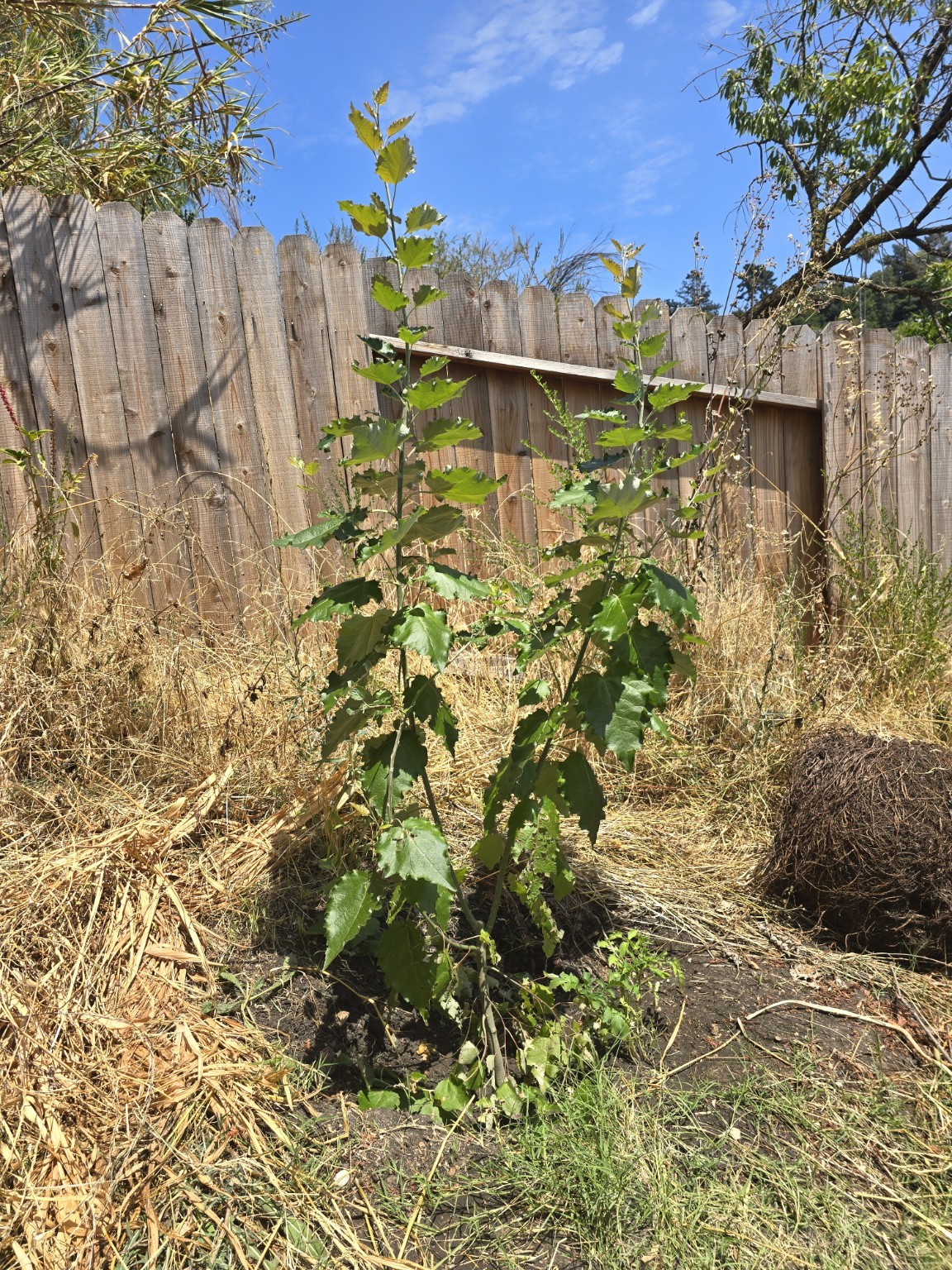
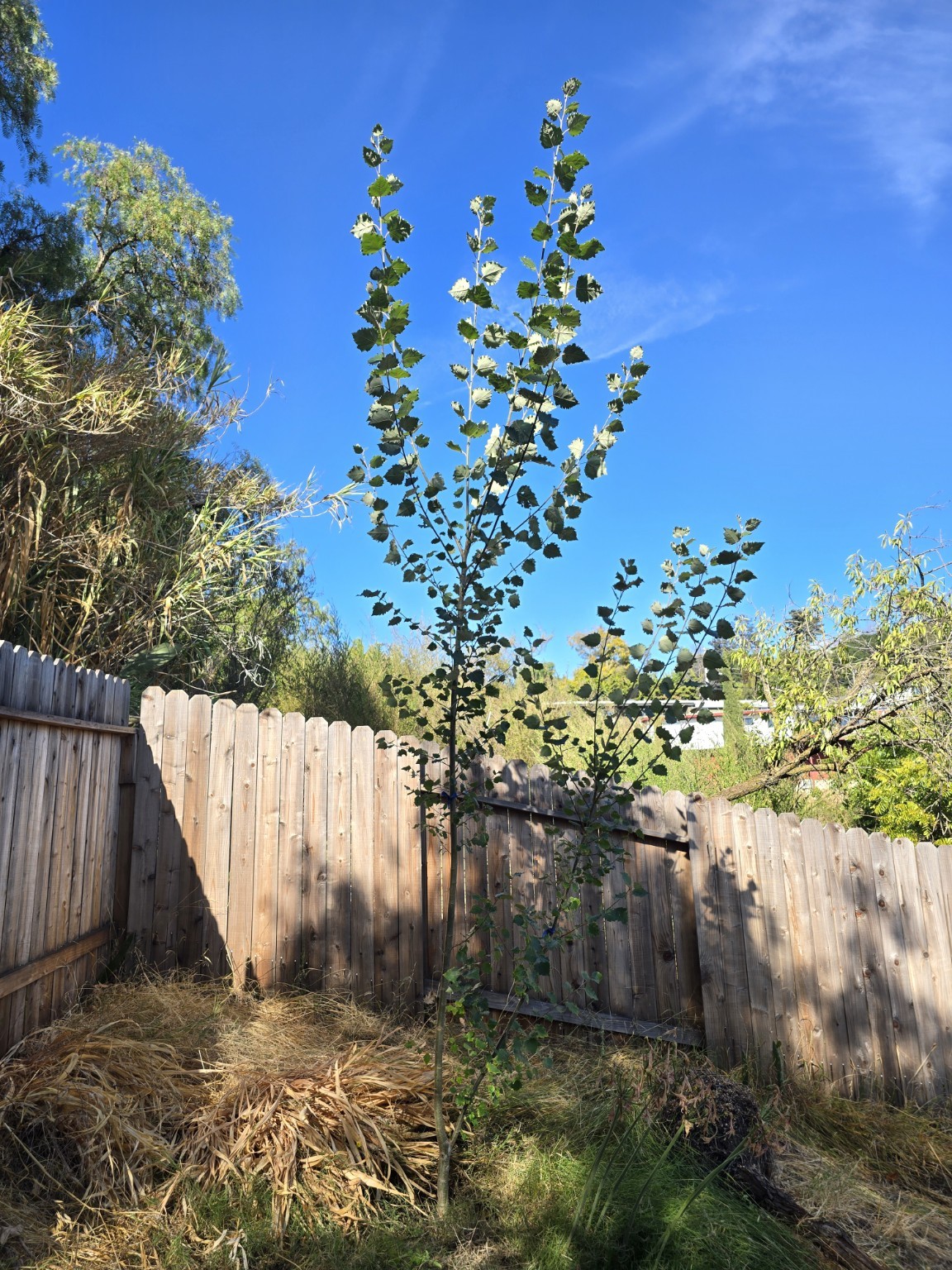
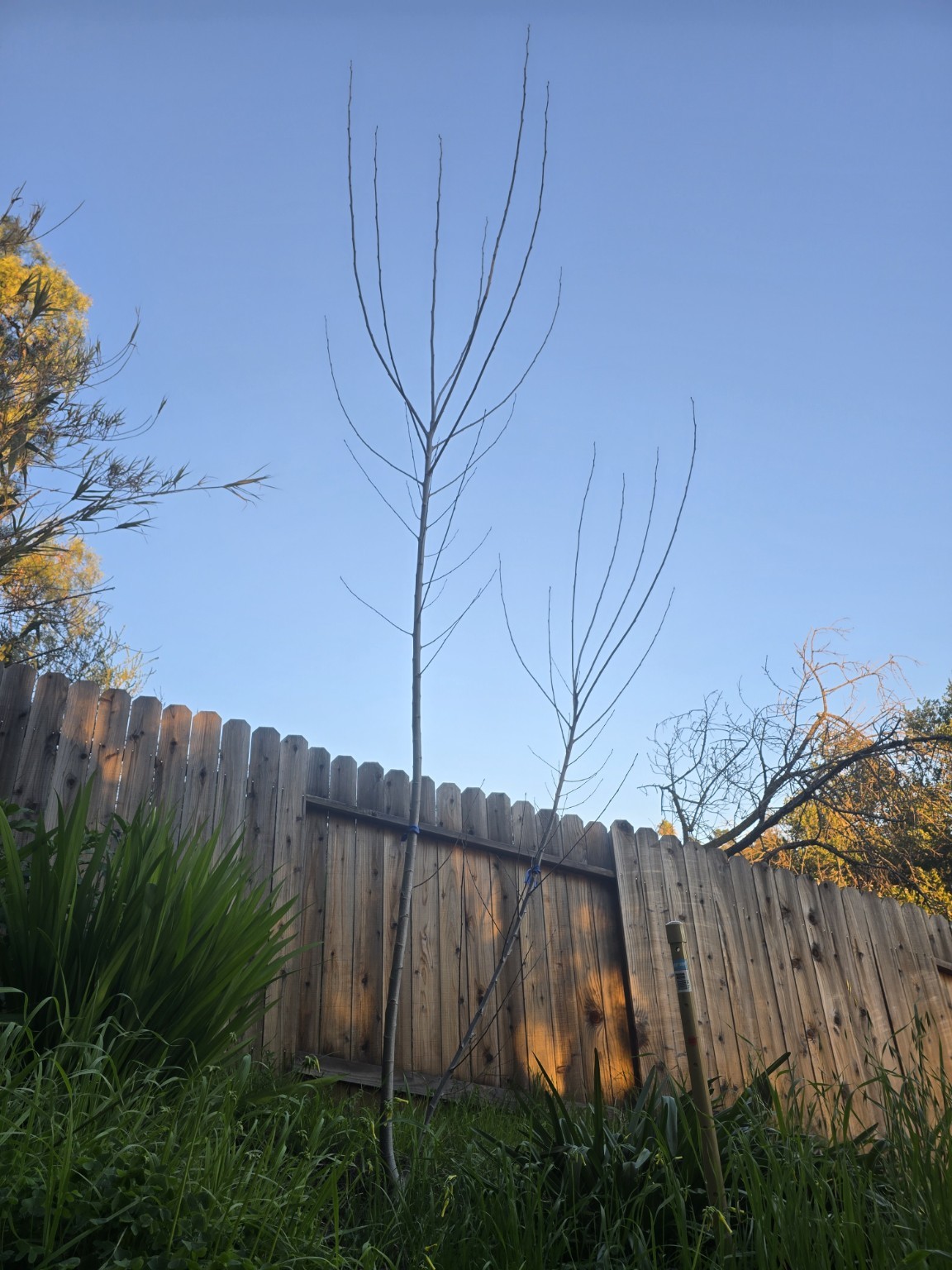
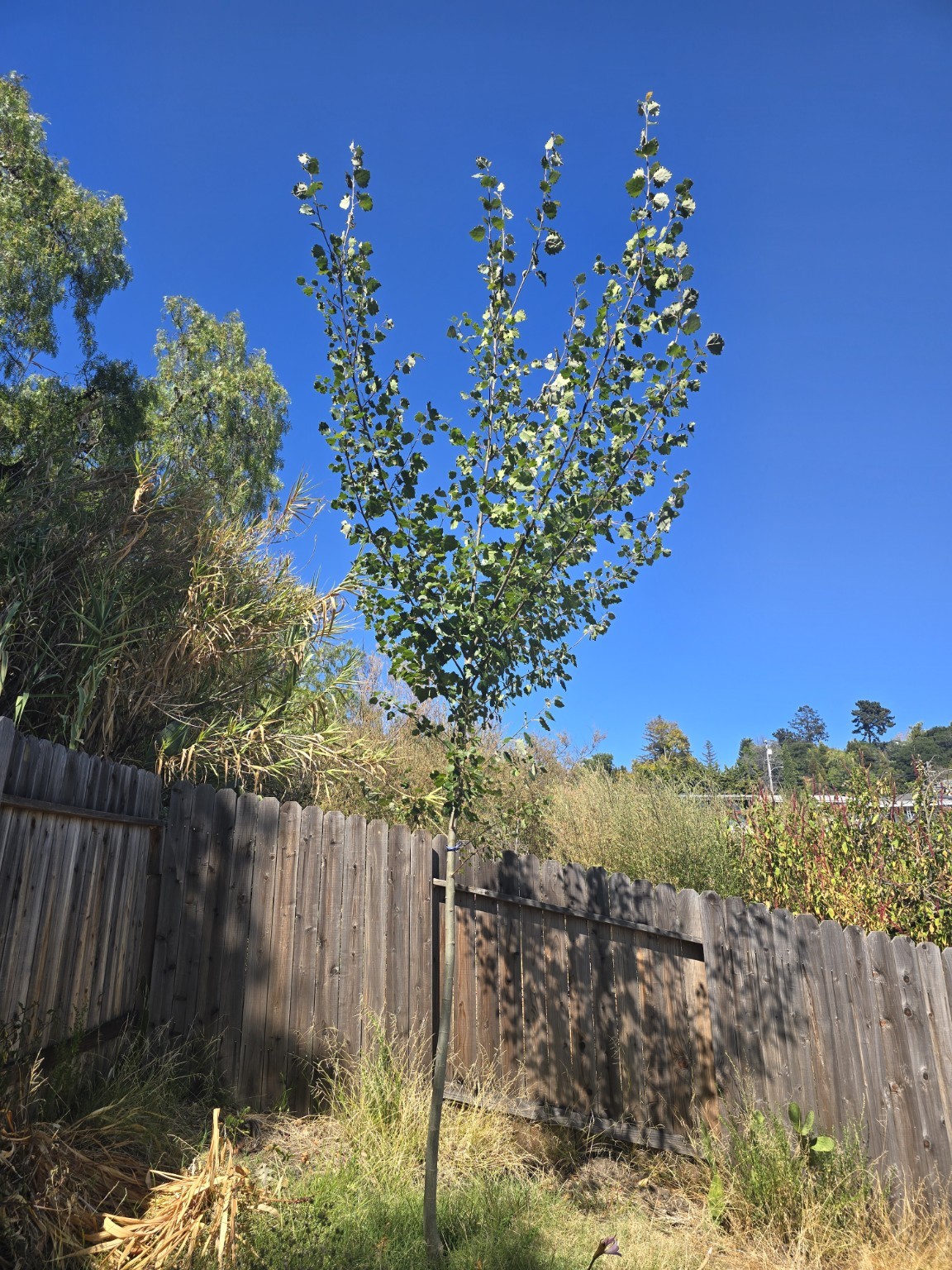
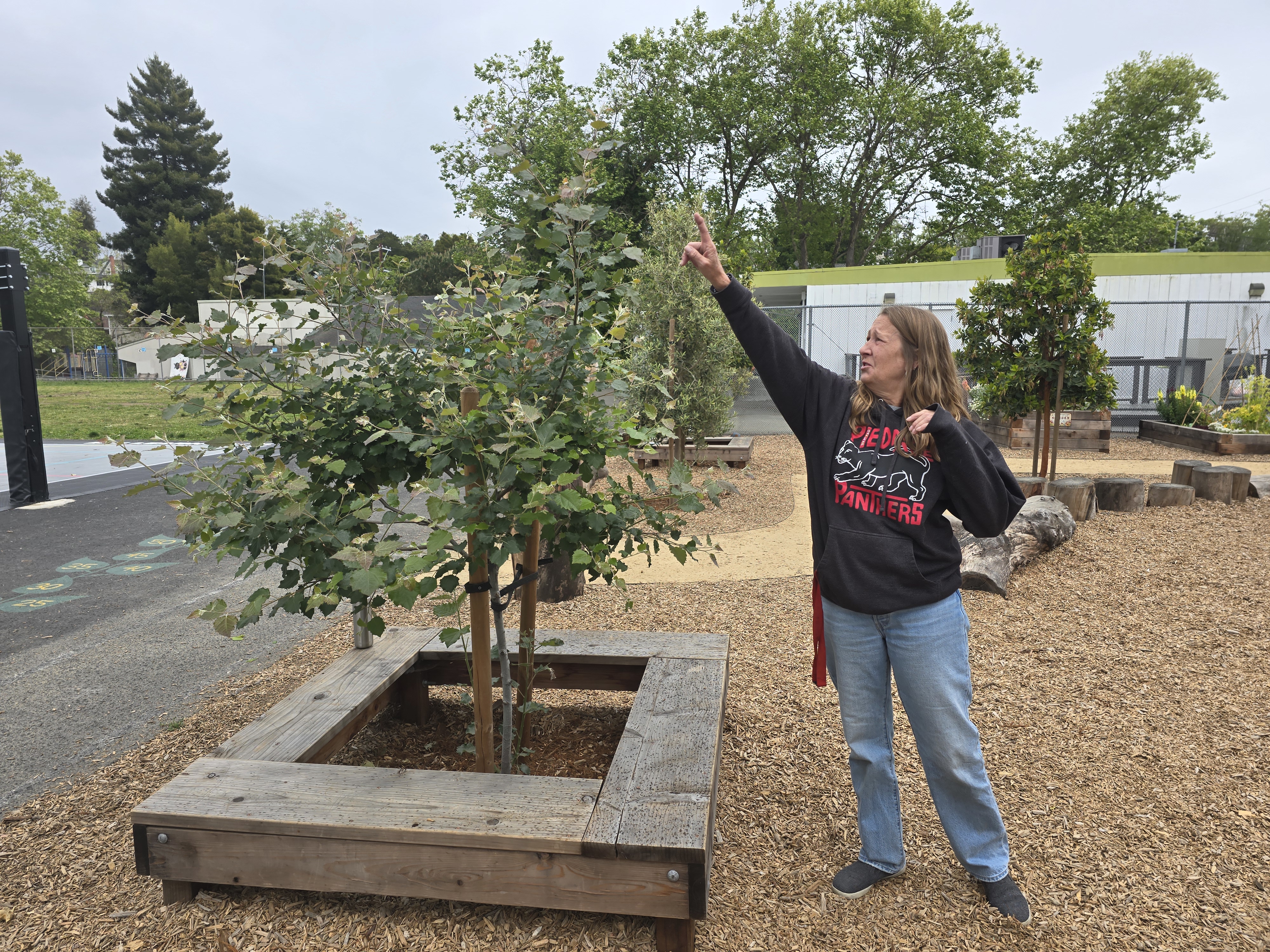
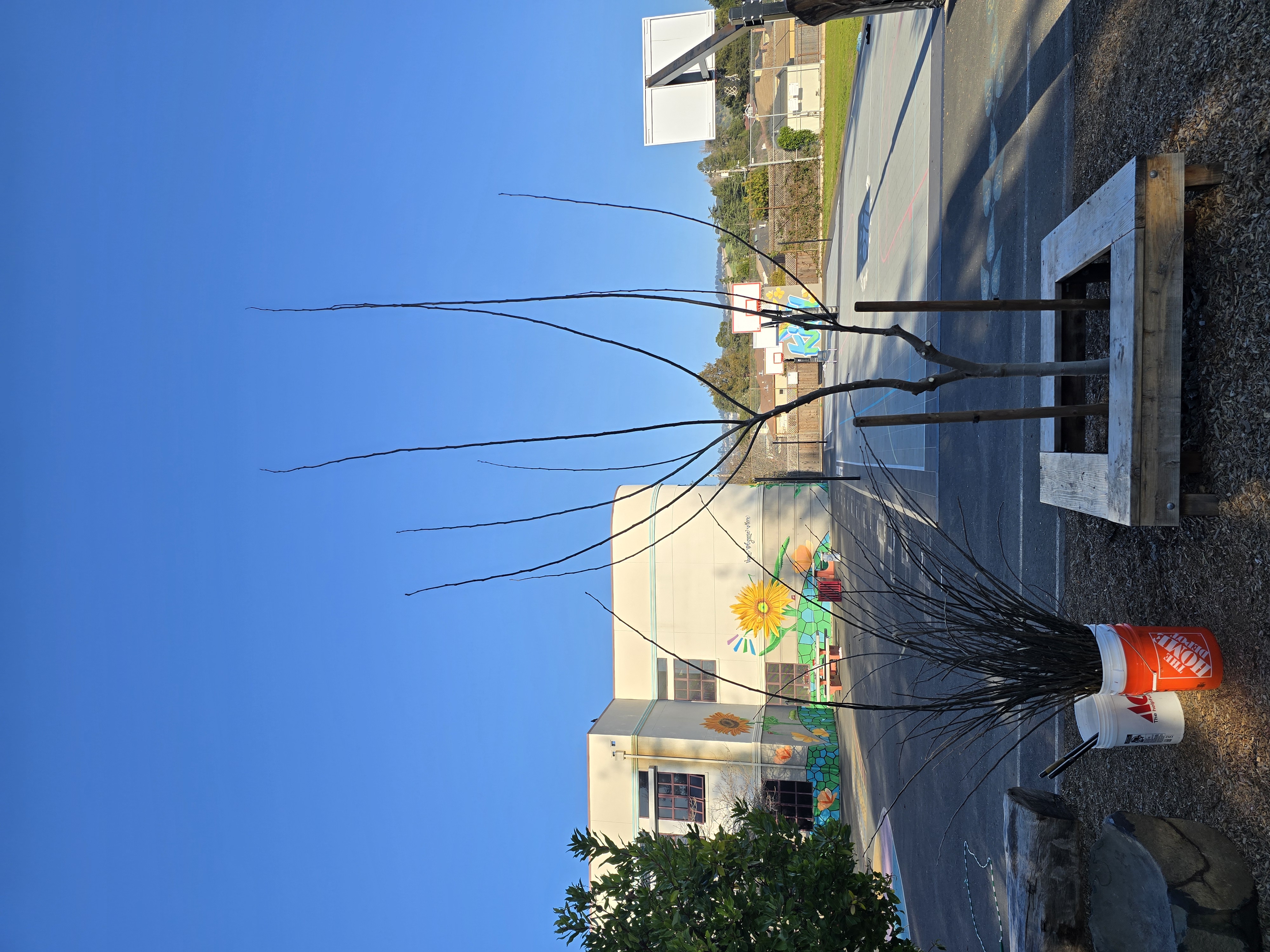
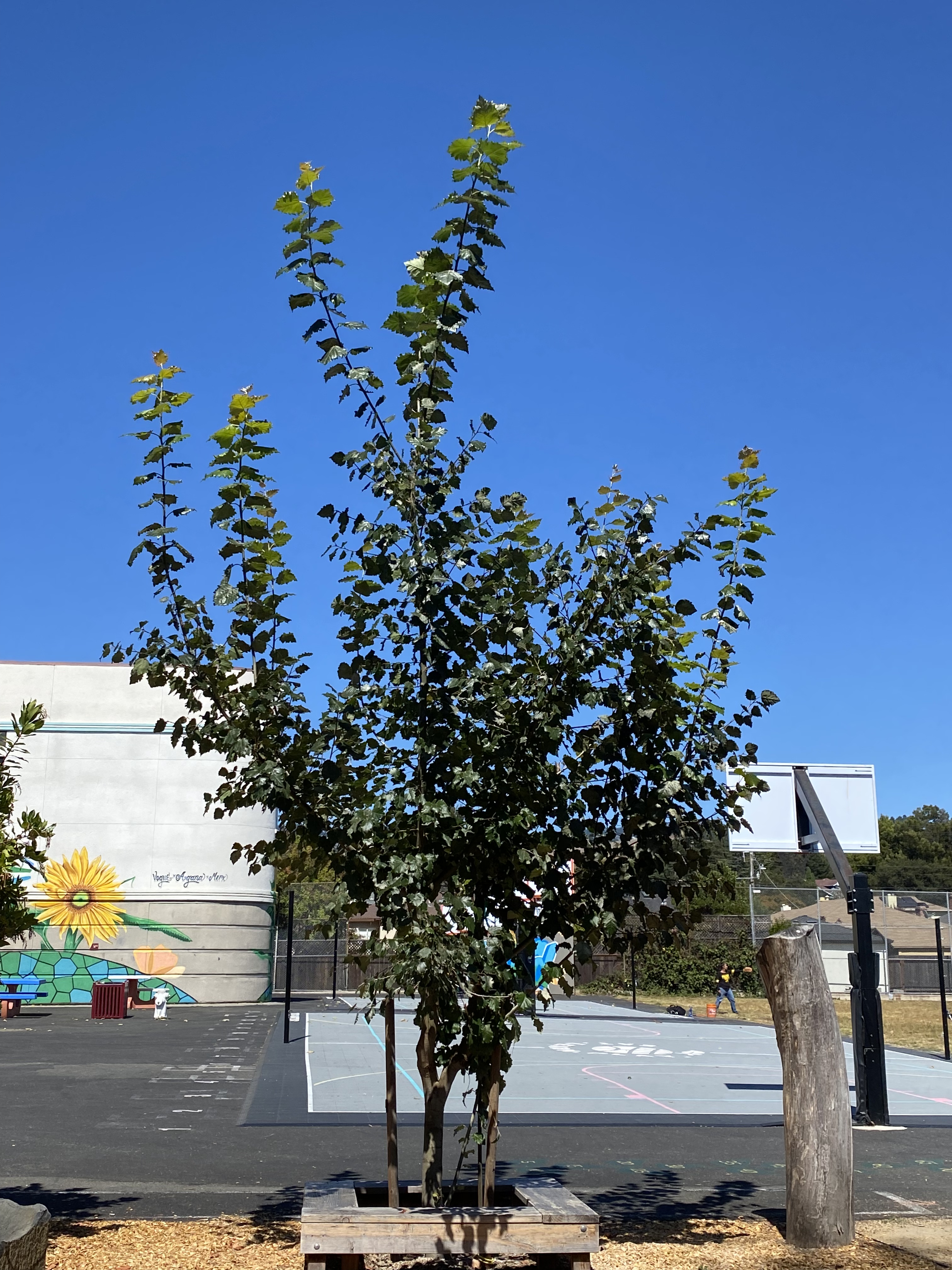
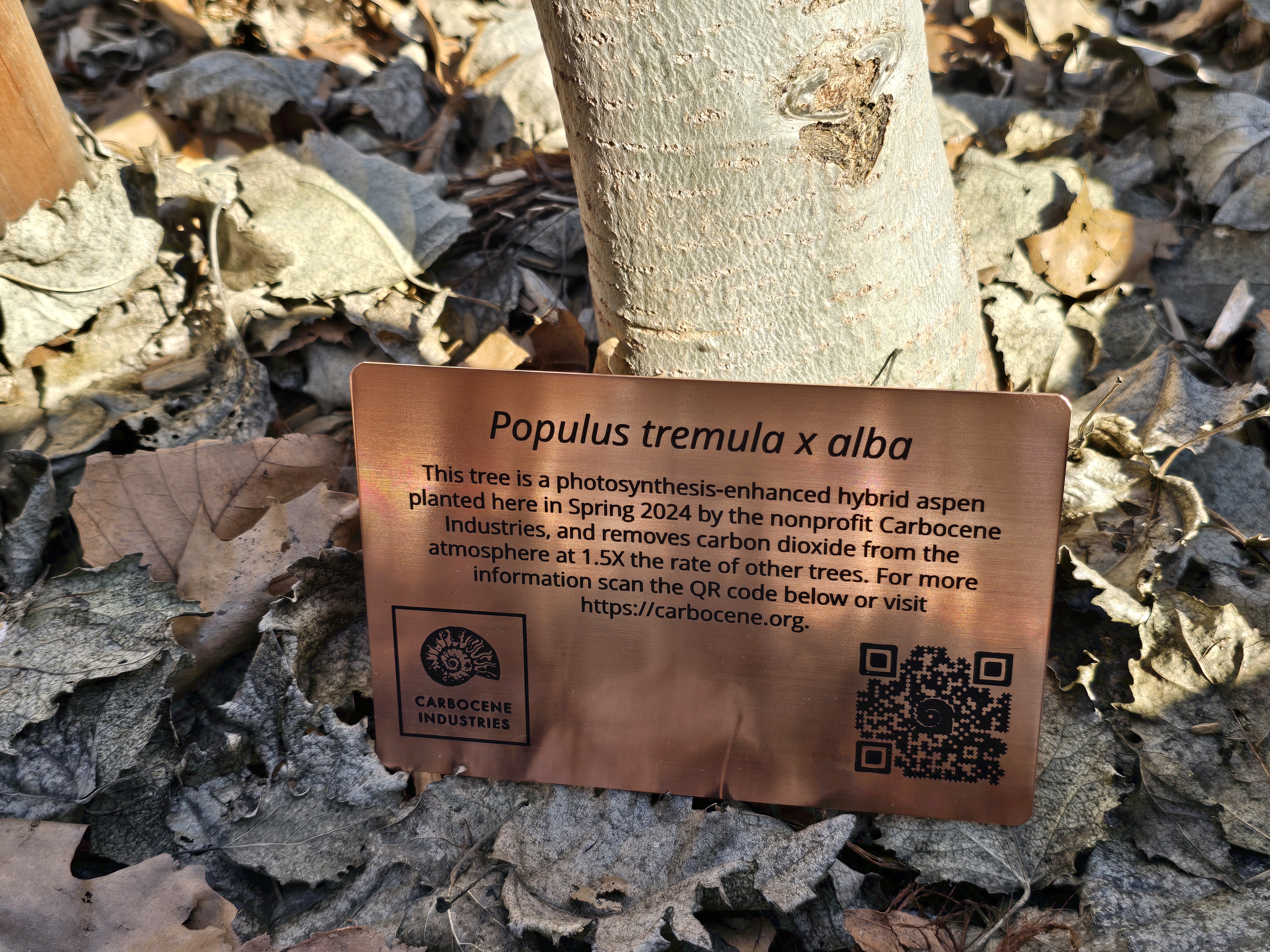
Deer derives from INRA 717-1B4, the Populus tremula × P. alba hybrid commonly placed within P. × canescens. P. tremula is the maternal parent, and the tree’s architecture and growth are strongly aspen-like. Its lineage is Eurasian. North American P. tremuloides is a close relative of P. tremula.
The same photosynthesis-enhancement construct was introduced into P. deltoides through a separate transformation and event-selection program.
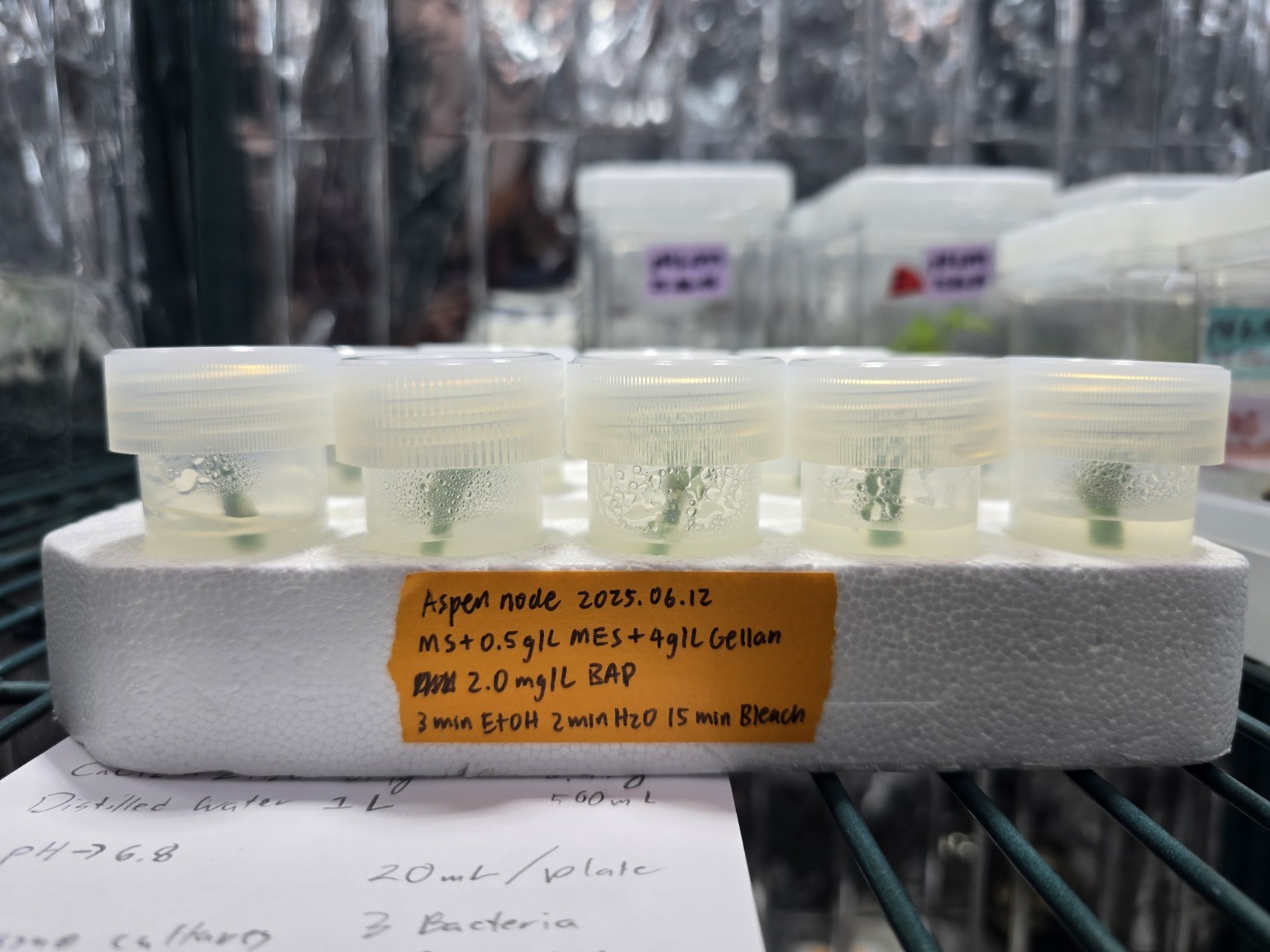
Deer was selected as the lead event after repeated evaluation of growth, biomass, photosynthetic physiology, expression, genetic structure, and propagation performance. Across successive vegetative propagation cycles, it maintained an enhanced growth and biomass phenotype in replicated controlled-environment evaluation, then entered replicated field testing.
USDA APHIS determined in 2020 that Deer was outside the plant-pest regulatory framework under 7 CFR part 340. Carbocene maintains and propagates the line under a nonprofit research license.
Current work
- Expand biological inventory and propagation capacity
- Measure growth, survival, phenology, and site-to-site variation
- Study management, pruning, coppice response, and ecological interaction
- Build longitudinal evidence for carbon outcomes and public stewardship
Published research
Controlled-environment proof of concept
Tao, Y., Chiu, L.-W., Hoyle, J. W., Dewhirst, R. A., Richey, C., Rasmussen, K., Du, J., Mellor, P., Kuiper, J., Tucker, D., Crites, A., Orr, G. A., Heckert, M. J., Godinez-Vidal, D., Orozco-Cardenas, M. L., & Hall, M. E. (2023). “Enhanced Photosynthetic Efficiency for Increased Carbon Assimilation and Woody Biomass Production in Engineered Hybrid Poplar.” Forests, 14(4), 827.
Read the peer-reviewed paper ↗
Peer-reviewed controlled-environment research reporting increased photosynthetic efficiency and above-ground biomass in engineered hybrid poplar. Patrick was a co-author and contributed to project conceptualization, growth evaluation, propagation, biomass analysis, and event selection as described in the publication’s author-contribution statement.
The paper reports controlled-environment results for the experimental lines and conditions it describes.
Multi-year field evaluation across selected insertion events
A replicated, multi-year field trial at Oregon State University evaluated heterogeneous insertion events carrying a closely related photosynthesis-enhancement construct. The trial documented substantial event-specific differences in physiology, architecture, and biomass; selected construct-bearing events were among the highest-biomass lineages. Carbocene treats this as event-selection evidence across heterogeneous insertion events, not as a Deer-specific field-efficacy trial or a single technology-wide effect size.