A demonstrated engineered-tree line
Carbocene maintains and propagates Deer, a licensed photosynthesis-enhanced hybrid aspen carrying a synthetic photorespiration-bypass pathway.

Plant biotechnology across planetary time
Earth history is, in part, a history of biological innovations changing atmosphere, climate, land, and elemental cycles. Carbocene develops, carries forward, tests, and scales plant biotechnologies for consequential work in the world.
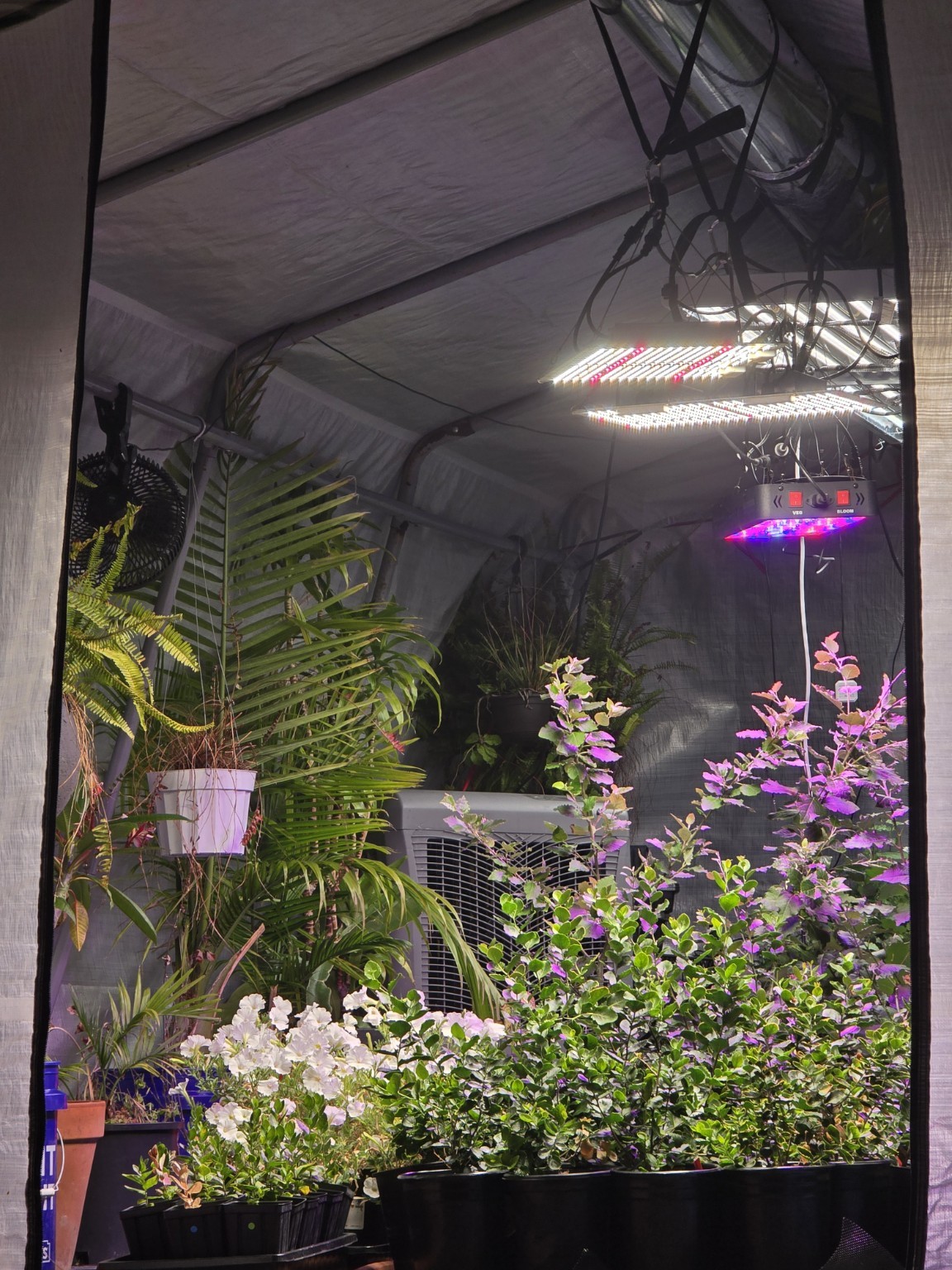
That work begins with living engineered trees in Oakland: maintaining and propagating a photosynthesis-enhanced hybrid aspen, developing new independently owned plant technologies, preparing responsible field placements, and building the measurement and research systems required to learn from them at increasing scale.
Living foundation · Current capability · Scale pathway
Carbocene connects living research organisms to the technical and institutional systems required to improve them, measure them in the world, and multiply what the evidence supports.
Carbocene maintains and propagates Deer, a licensed photosynthesis-enhanced hybrid aspen carrying a synthetic photorespiration-bypass pathway.
The Oakland nursery, greenhouse, tissue-culture practice, and field site connect plant care and multiplication with responsible placement, observation, and collaboration.
The objective is to scale improved trees, create new Carbocene-owned plant lines and IP, test them across environments, and build durable capacity for long-horizon research and deployment.
The argument that became the trees
In the 2019 talk Deep Time Perspectives on Climate Change, Patrick Mellor asked what past biological carbon-drawdown mechanisms reveal about deliberate intervention: which mechanisms might be reproduced, extended, or accelerated, and what disciplines would have to work together to do it responsibly.
The talk predates the engineered-tree company and makes the later trajectory intelligible. It frames Carbocene’s present program within a long history of biological mechanisms becoming planetary forces.
Biological agency at planetary scale
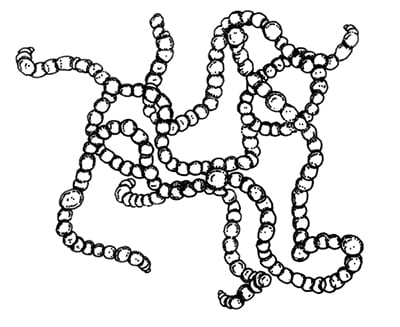
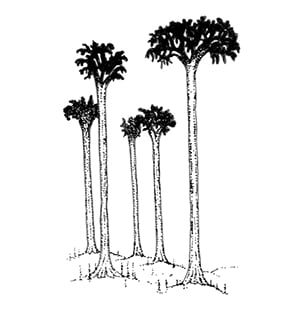
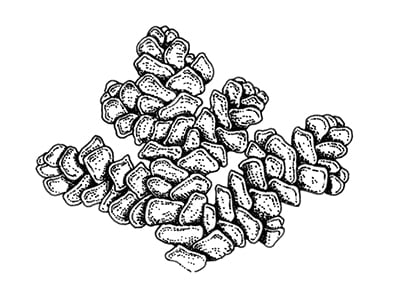
Together, these episodes show that innovations in photosynthesis, growth, decomposition, burial, and elemental handling can alter the physical conditions inherited by later life.
Independent research program
Carbocene is developing designs and constructs for a new generation of engineered trees through systems-level, multi-trait engineering of complementary parts of photosynthesis.
The program connects biological mechanism, transformation, event selection, propagation, physiology, field behavior, management, measurement, and productive use as one development system. The scale pathway is explicit: create improved living lines, generate replicated evidence, multiply the trees that warrant it, and carry them into responsible field use.
Demonstrated platform · Licensed line
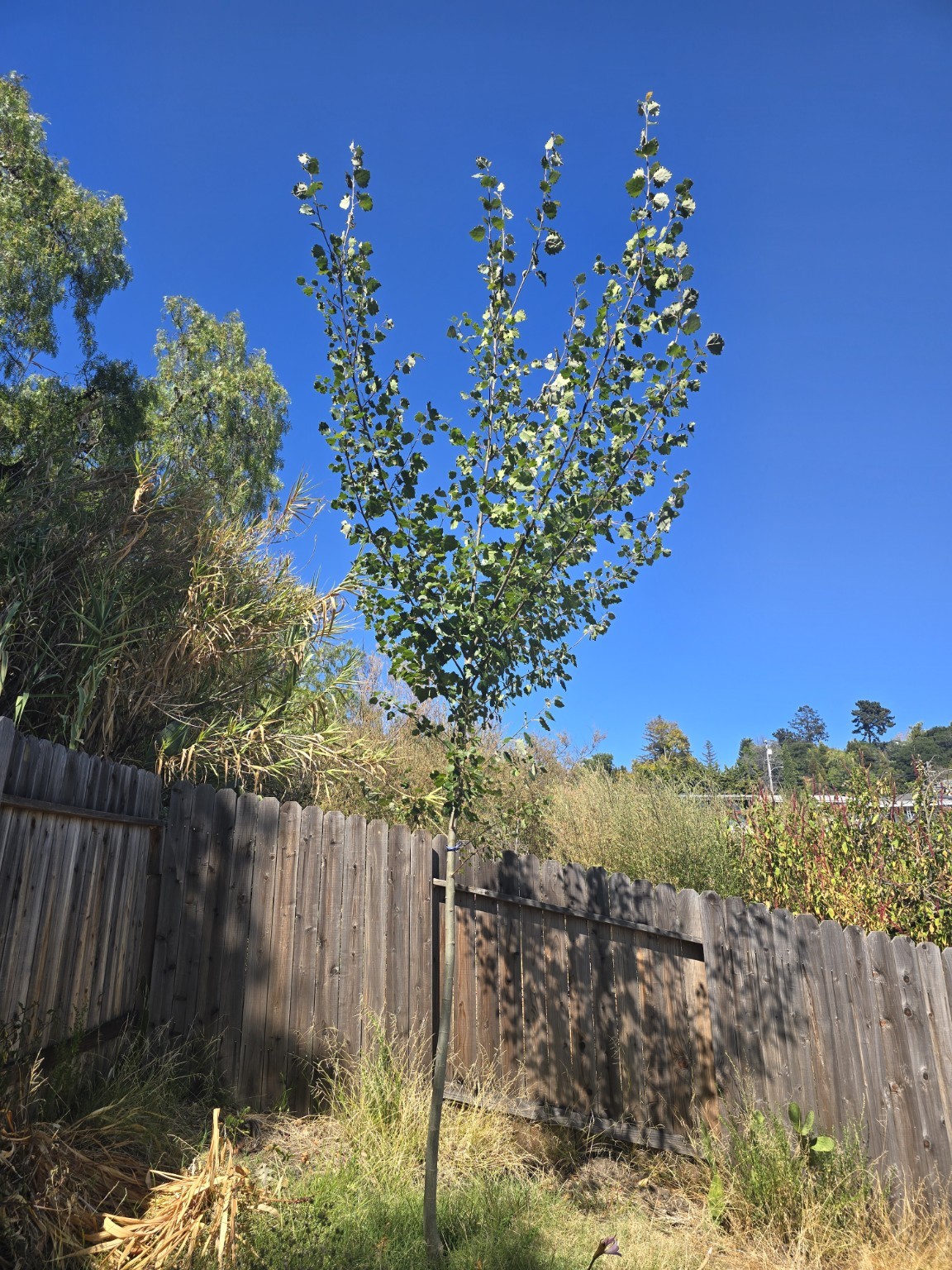
Deer (Populus tremula × P. alba) is a well-characterized, field-deployed photosynthesis-enhanced hybrid aspen. It retained an enhanced growth and biomass phenotype across successive vegetative propagation cycles and subsequently entered replicated field testing.
USDA APHIS placed Deer outside the plant-pest regulatory framework under 7 CFR part 340. Carbocene maintains and propagates the line under a nonprofit research license and can establish new plantings, follow them over time, and build a public record of performance under ordinary cultivation conditions.
That record can demonstrate responsible engineered-tree deployment in practice while Carbocene develops the next generation of technologies through Photosynthetic Systems Engineering.
Field Systems · Permaculture
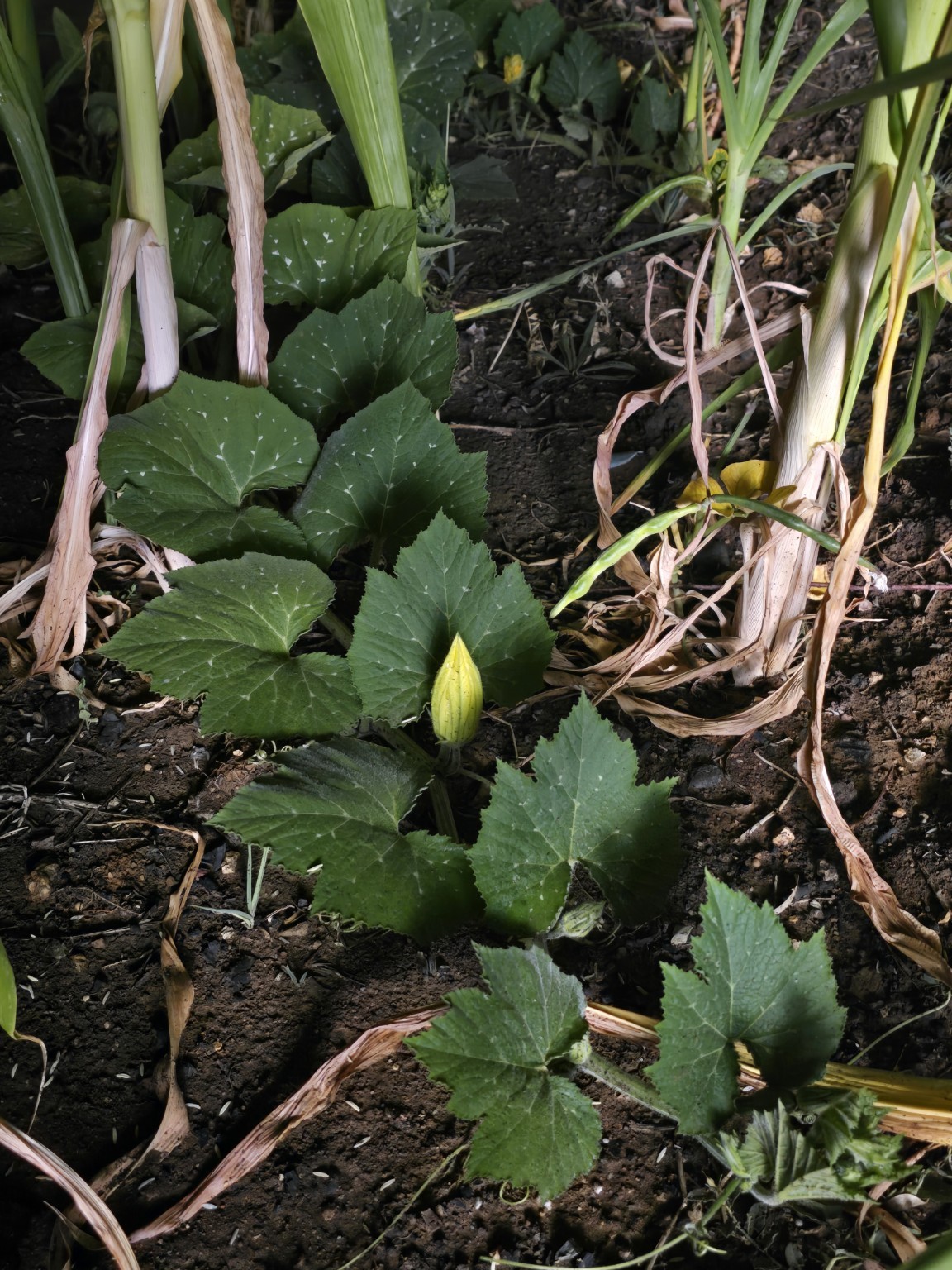
Carbocene uses its Oakland field site to study how carbon, nutrients, biomass, water, plants, and locally available inputs can be cycled through a small cultivation system.
The work combines on-site biochar and compost production, progressive soil building, mixed crop cultivation, and greenhouse propagation. Field plots include blue corn, tepary bean, black-eyed pea, sweet sorghum, desert squash, and desert melon in milpa systems.
Research portfolio
Carbocene connects altered plant function to carbon uptake, biomass, forests and crops, durable materials, soils, and ecological communities.
Carbocene is developing tissue-culture and transformation methods for durable biological construction feedstocks. The next proof point is an improved line supported by field, material, and life-cycle evidence.
A future phase could carry prior photosynthesis-enhanced loblolly pine work forward from suitable plant stock.
Growth determines how quickly carbon enters a plant; wood chemistry, decomposition, durable uses, and biochar influence how long it remains outside the atmosphere. Each requires separate measurement.
Field work extends controlled development into questions of propagation, management, ecological interactions, biomass and material properties, measurement, site conditions, regulation, and long-term performance. Scaling expands plant production and field evidence together so climate implications rest on longitudinal plant and landscape measurements.
What scale means
Three numerical anchors connect carbon entering wood to mixed-stand deployment and an integrated forestry systems trajectory.
Dry wood is approximately half carbon by mass. One tonne therefore carries about 1.83 tonnes of atmospheric CO₂ into the material stream.
A 25% biomass gain carried by half the trees in a mixed stand adds 12.5% at stand level.
A historical design case combined coppicing, photosynthesis enhancement, and durable carbon pathways including biochar and bio-oil.
Public science in Oakland
Carbocene conducts collaborative work through its licensed California nursery, Oakland research greenhouse and field site, and relationships with independent biological researchers. Propagation, permaculture, plant care, biochar, biotechnology, and ecological observation create practical ways to participate in ongoing work.
Scientists, growers, biohackers, artists, and engineers work together with living systems.
The deployment gap
Plant biotechnology can succeed technically and still fail before reaching consequential use. Biological development, propagation, field validation, regulation, financing, measurement, and commercialization operate on different timescales and often in different institutions.
Academic incentives often reward technical demonstration more readily than prolonged field development. Venture finance can be poorly matched to biological and regulatory timelines, or require one near-term commercial pathway to stand in for a technology’s wider physical value.
Carbocene builds on direct experience carrying engineered plants from laboratory development through propagation, nursery scaling, regulatory work, field trials, operational forestry, planting, and measurement.
Carbocene works in the difficult territory between proof of concept and large-scale use: developing useful biology, deploying what is ready, measuring physical and ecological outcomes, finding productive applications, and continuing development where the evidence warrants it.
Why a nonprofit?
Field development can create public, scientific, physical, and eventual commercial value before it creates a sufficiently immediate or concentrated private return. Carbocene’s nonprofit structure lets work continue through those stages.
Commercial value, licensing, revenue, industrial partnerships, productive land use, philanthropy, and grants can support the mission across different stages of development.
Documented research history
The broader predecessor program developed through Living Carbon extended from plant engineering and event selection through industrial propagation, replicated field trials, operational forest planting, measurement, and deployment.
The earlier work was built collectively by scientists, tissue-culture and transformation teams, greenhouse and nursery staff, field crews, forestry partners, educators, and community collaborators.
By 2024, the program had reached several-million-tree production scale across photosynthesis-enhanced hybrid-poplar events, selected a final lead event, established replicated field experiments, and advanced additional transgenic tree programs into loblolly pine event selection and eastern cottonwood (Populus deltoides) transformation. Carbocene carries that accumulated experience into continued biological development and new field evidence.
Science
Experimental results and independent scientific context.
Read the Science reportMIT Technology Review
Research history and intellectual origins.
Read the MIT Technology Review accountThe New York Times
Field-planting milestone.
Read The New York Times reportCurrent campaign
$50,000 supports approximately six months of scientific, operating, and field capacity. The campaign supports plant production and propagation, field work and measurement, focused scientific development, partnership building, and the operating infrastructure required to undertake larger programs.