
October 13, 2025
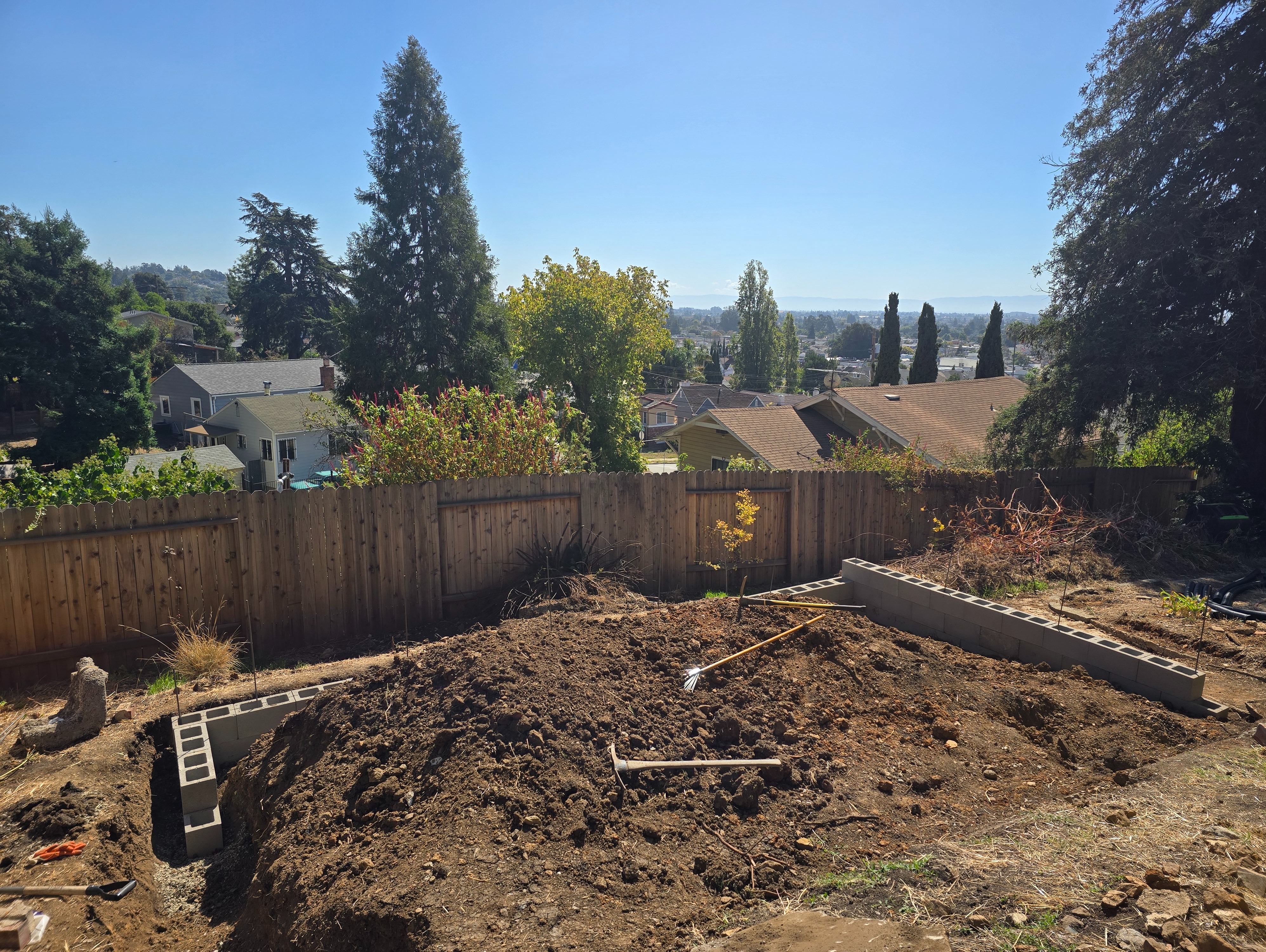
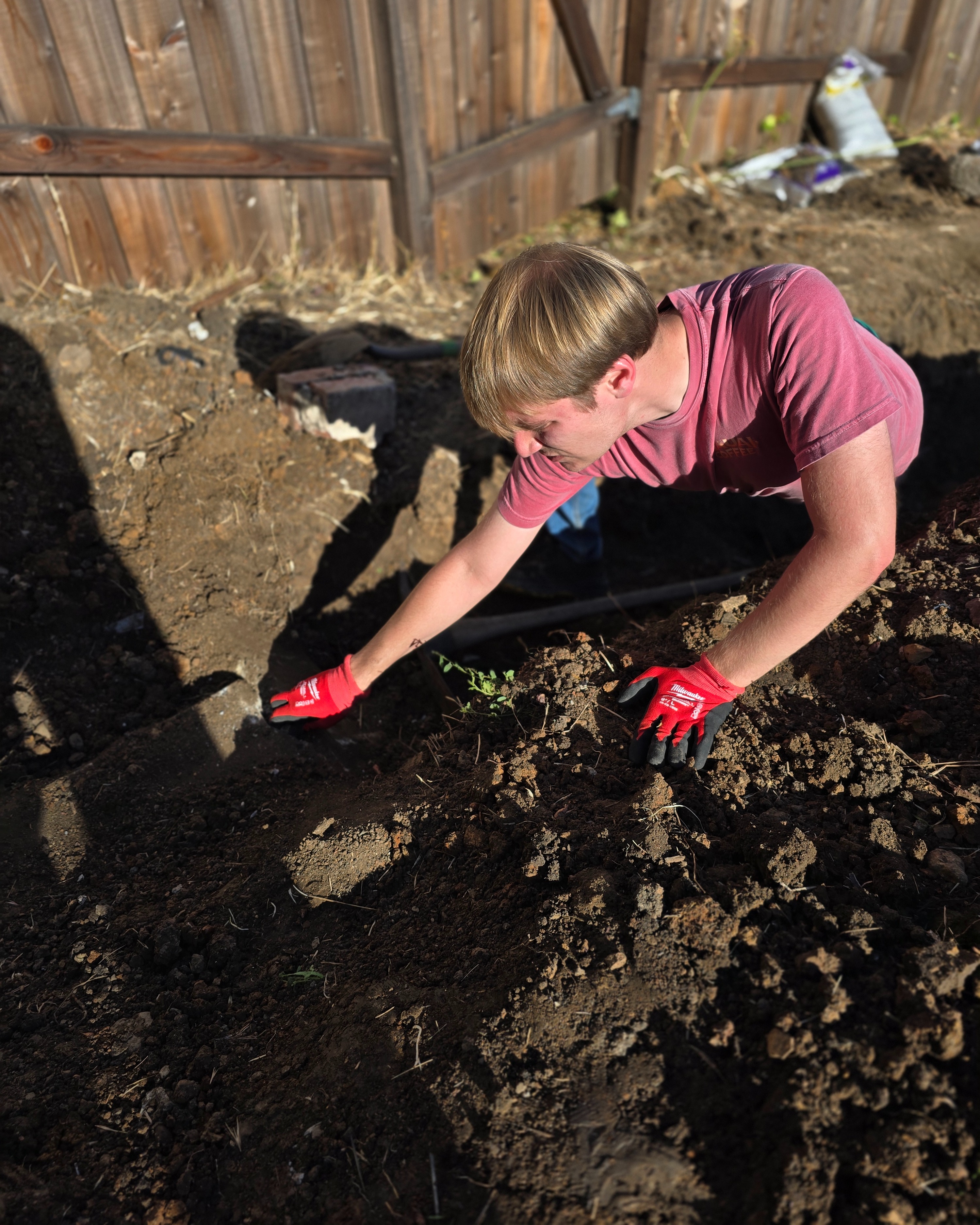
While trenching for the back wall, we discovered the largest slab yet (Joseph is uncovering it in the picture), crossing directly through the path of our trench, which was additionally obstructed with the buried remnant of a concrete terrace wall.
We were able to lever the slab out with the digging bar and lift it out, thanks for your help with that Joseph!
The wall we hit with the digging bar until it developed a weak point, and then cracked it with the sledgehammer before levering out the chunk. Heaviest concrete block yet!
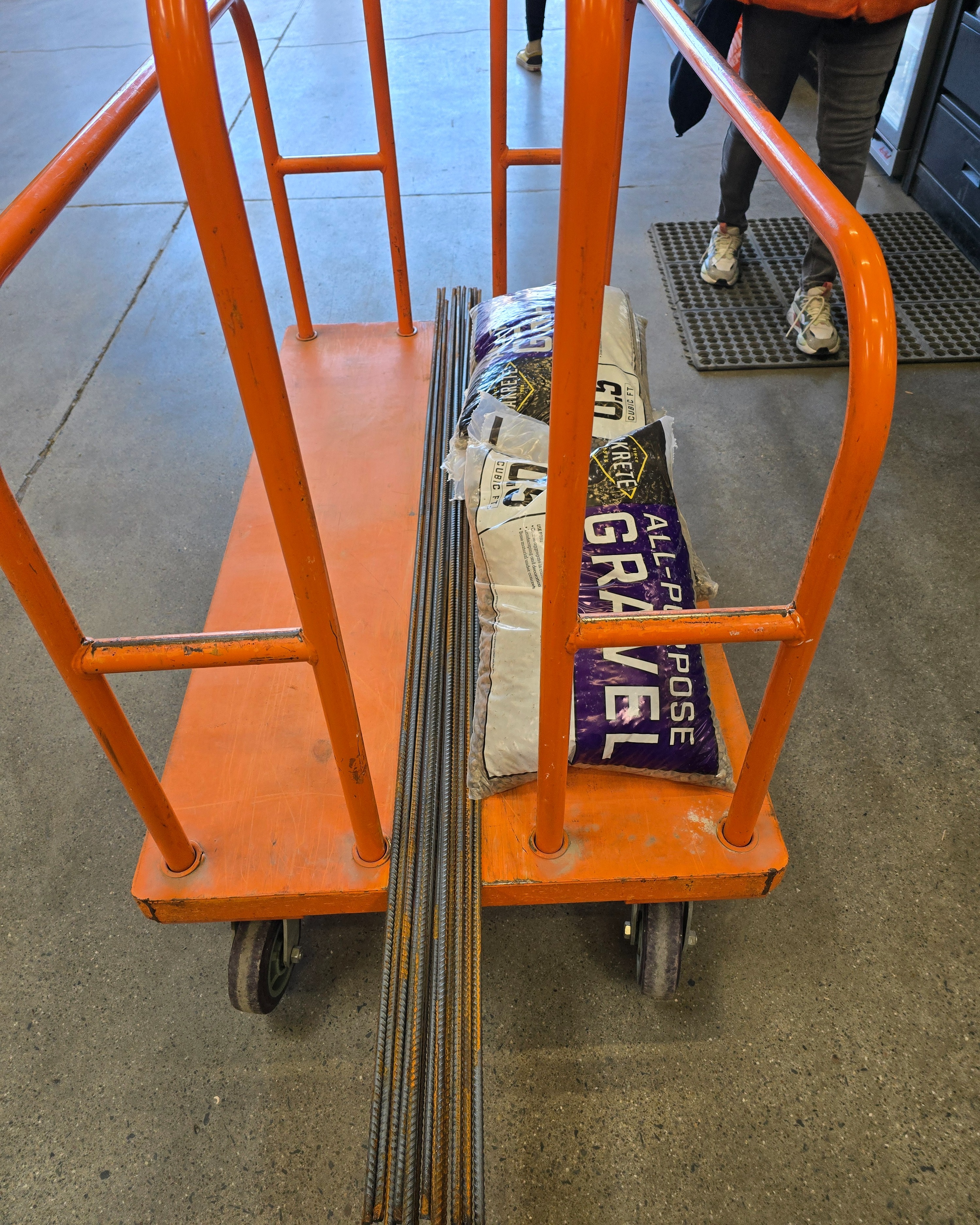
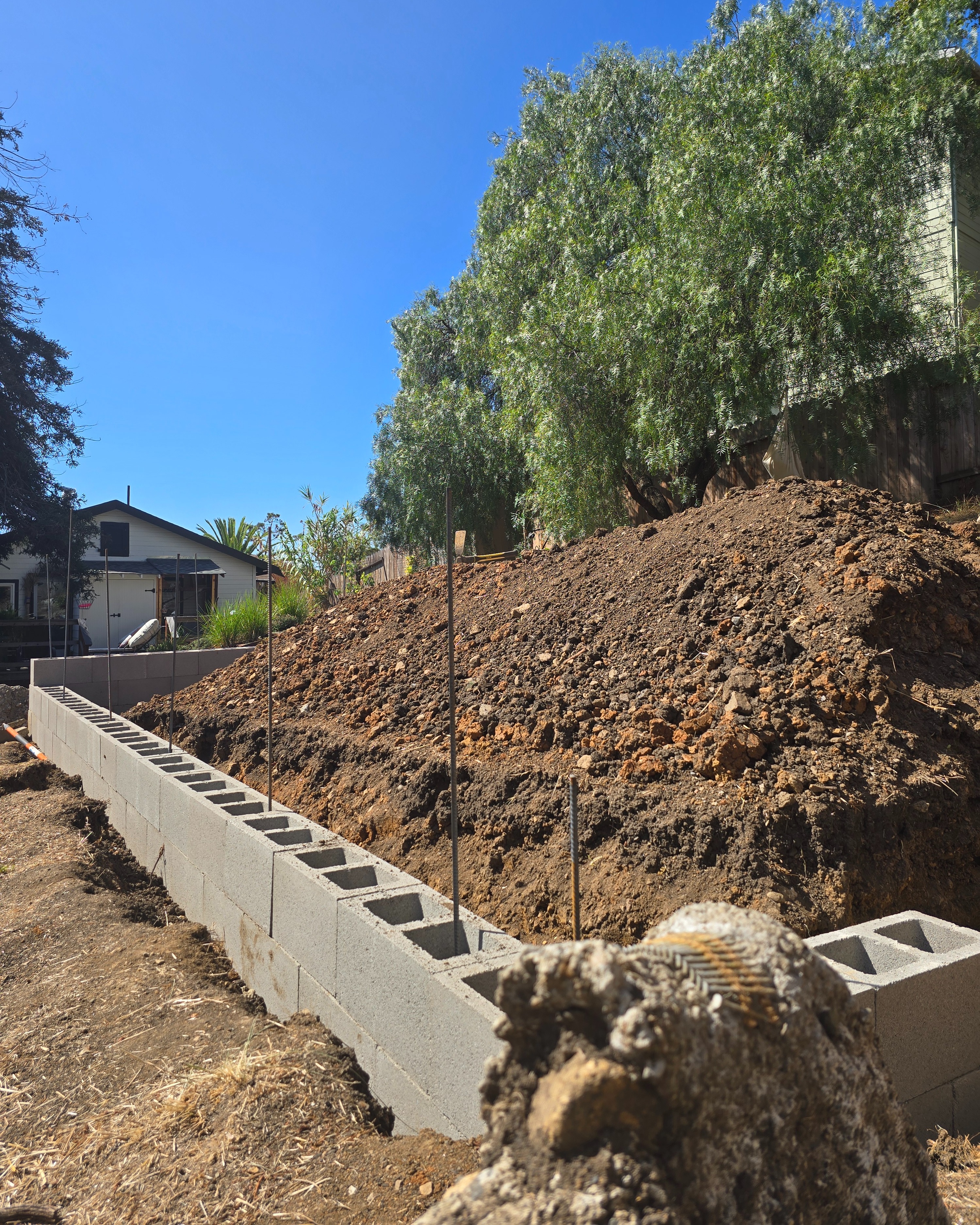
All this slowed down our trenching somewhat, and we moved on to installing rebar at 4 foot intervals in the aligned block cells. While I am planting vetiver in the other cells I do not want to fully rely on an untested method. We hammered the rebar multiple feet into the ground under the wall to provide grip; reinforced cells will be filled with grout to yield monolithic support columns.
As we were installing the rebar it became clear to me that we would need an additional course of blocks along the lower walls to make the site fully level, so another block run needed soon!
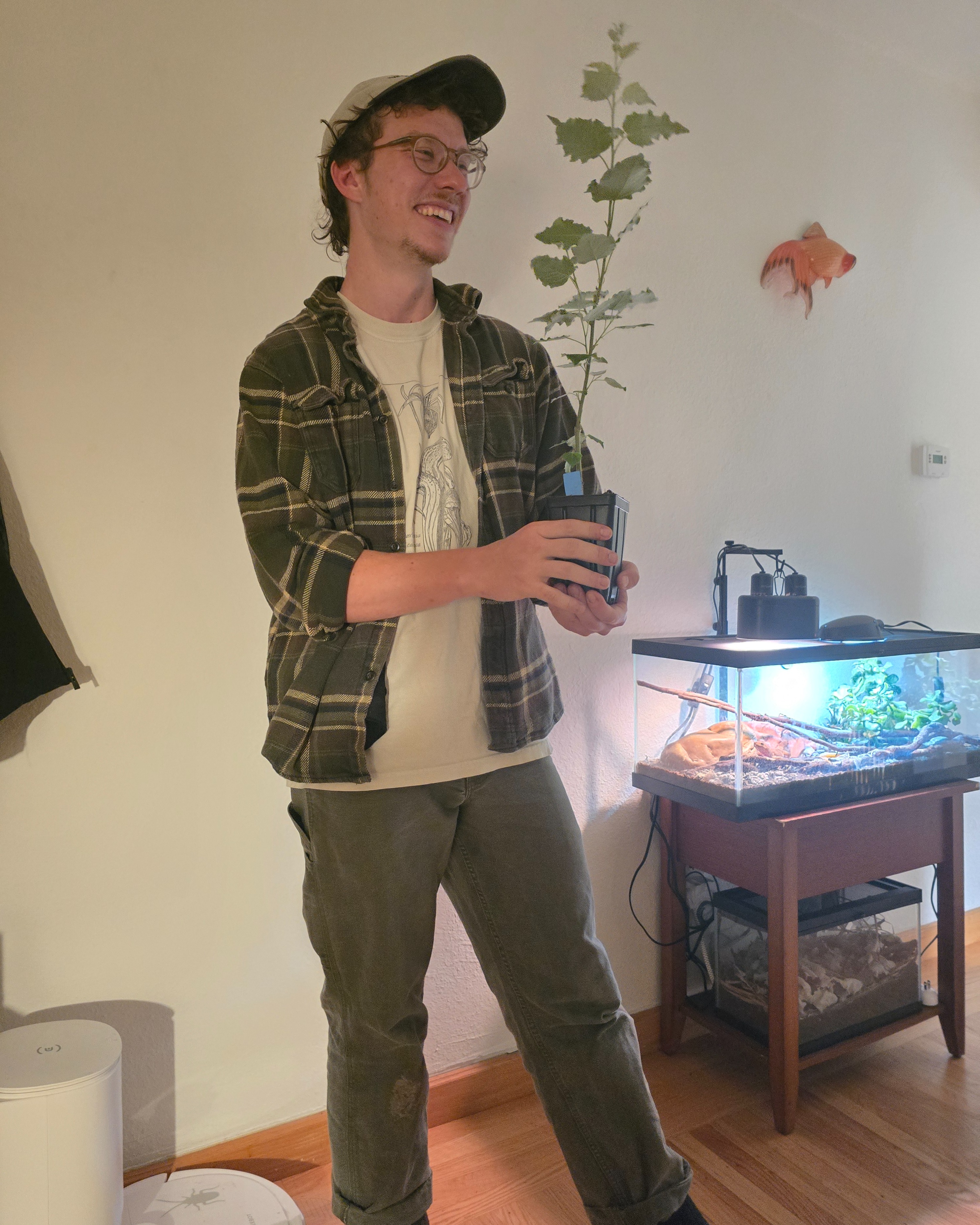
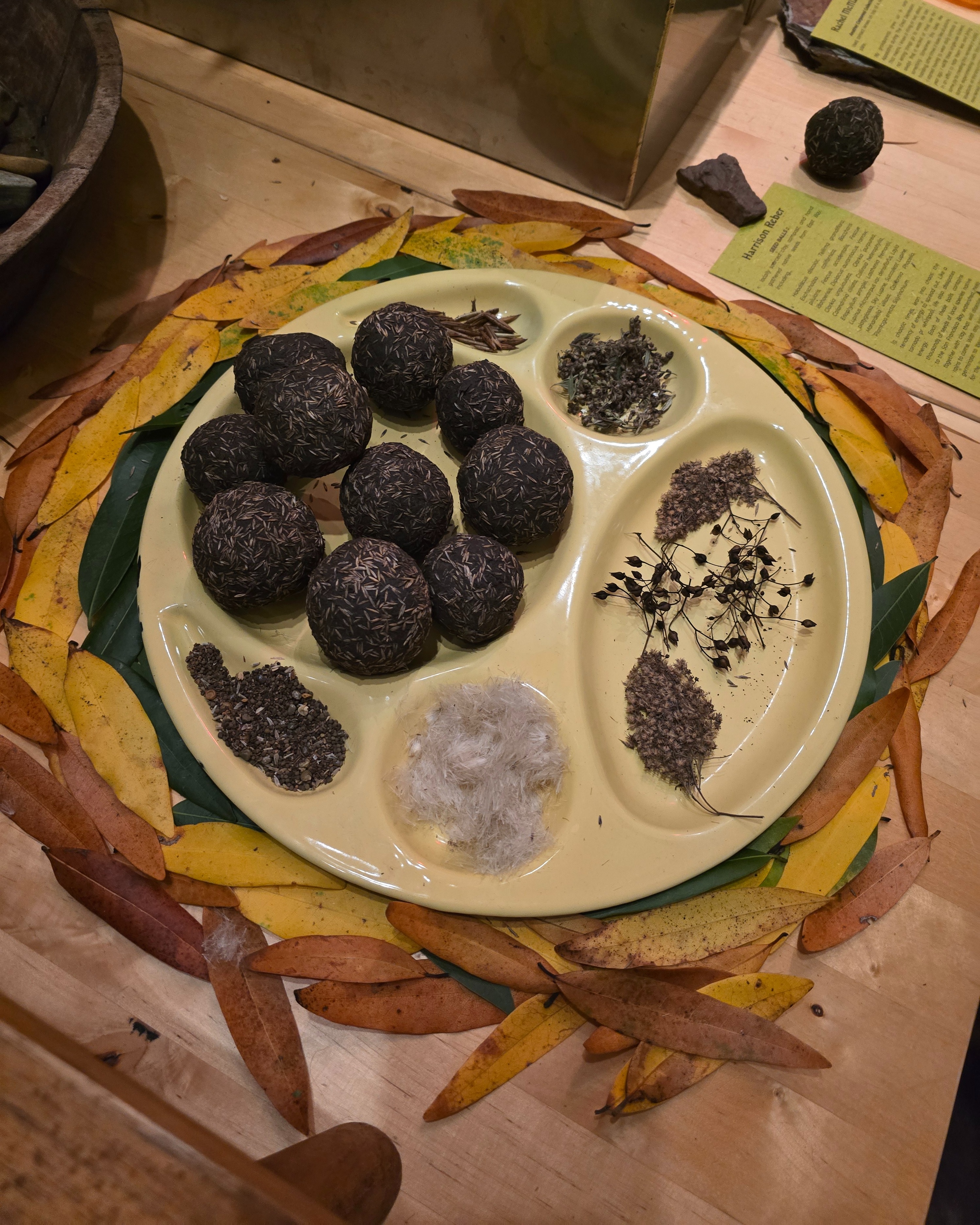
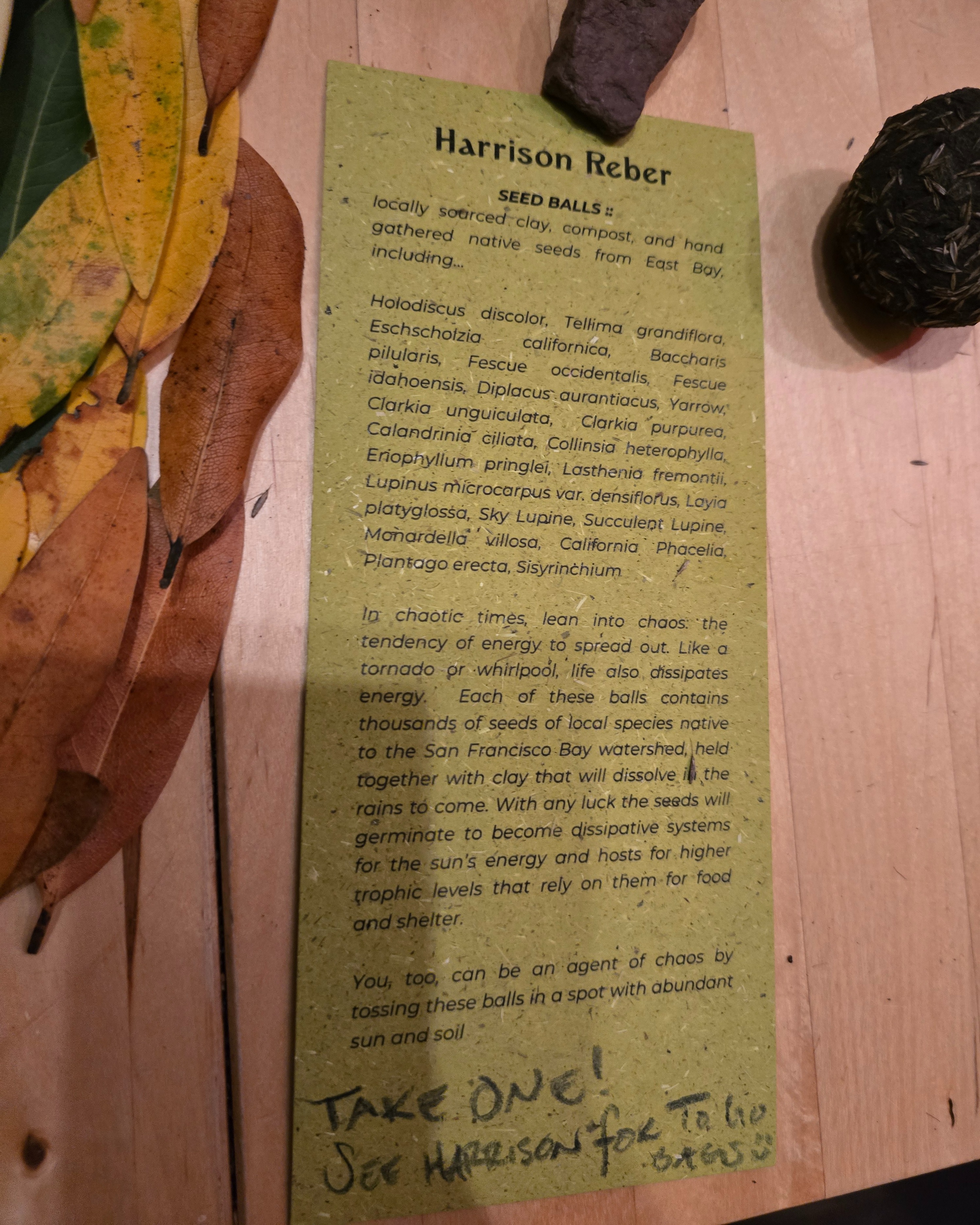
While at Gill Tract Community Farm I found Harrison (a farmer and botanist) prospecting for clay, and later he came to visit the greenhouse site and collected 5 gallons of clay from our spoil heap, with which he made balls containing the seeds of several native plants.
Seed balls provide a favorable germination environment once wet due to the hygroscopic qualities of the clay, and can be thrown long distances to enable reseeding of hard to reach areas. These we distributed at an art exhibition in San Francisco the following night.
October 10, 2025
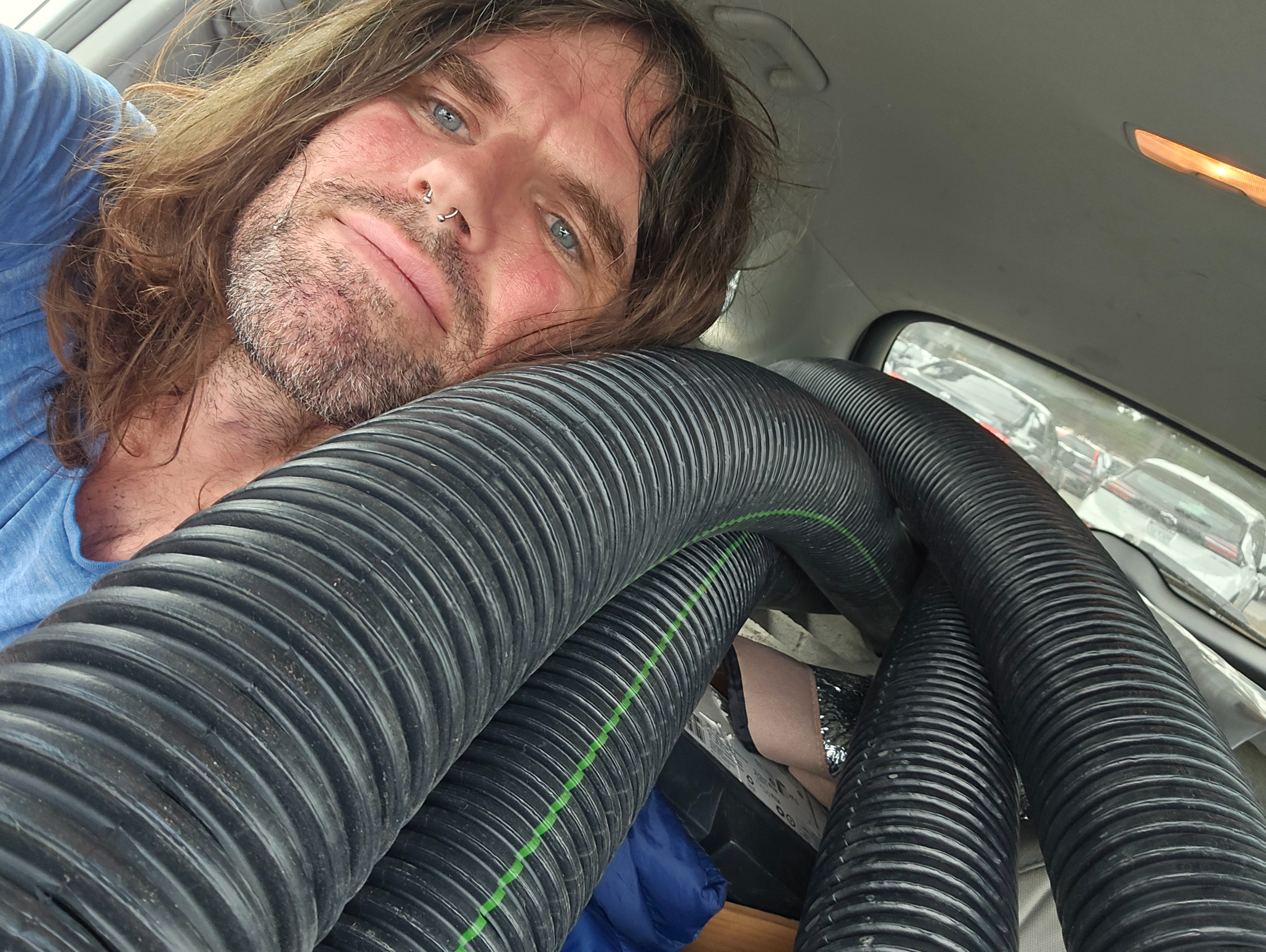
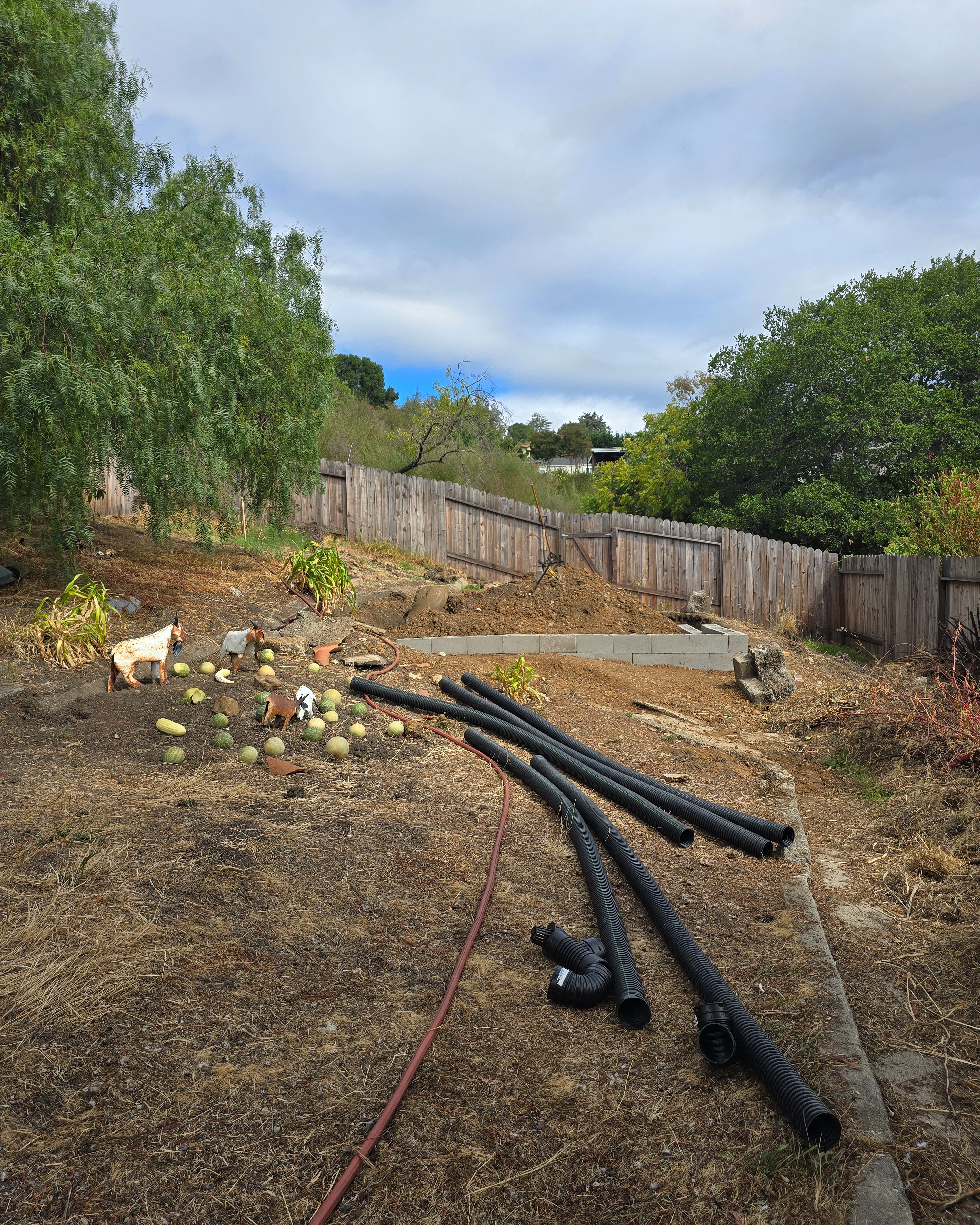
Retaining walls need drainage on their inner base to prevent failure from hydrostatic pressure. So I got enough perforated drainpipe to lay all around the inside of the wall. The pipe will be enclosed in a sock to prevent clogging, and will burrow under the wall in the middle of the long lower side, outputting to a pile of rocks and urbanite and draining to a bioswale of wetland plants. This will also serve to progressively desalinate the soil surrounding the tamarisk. Because I will be watering plants on greenhouse benches, and the excess will drain through the floor, it is especially important to provide good drainage.
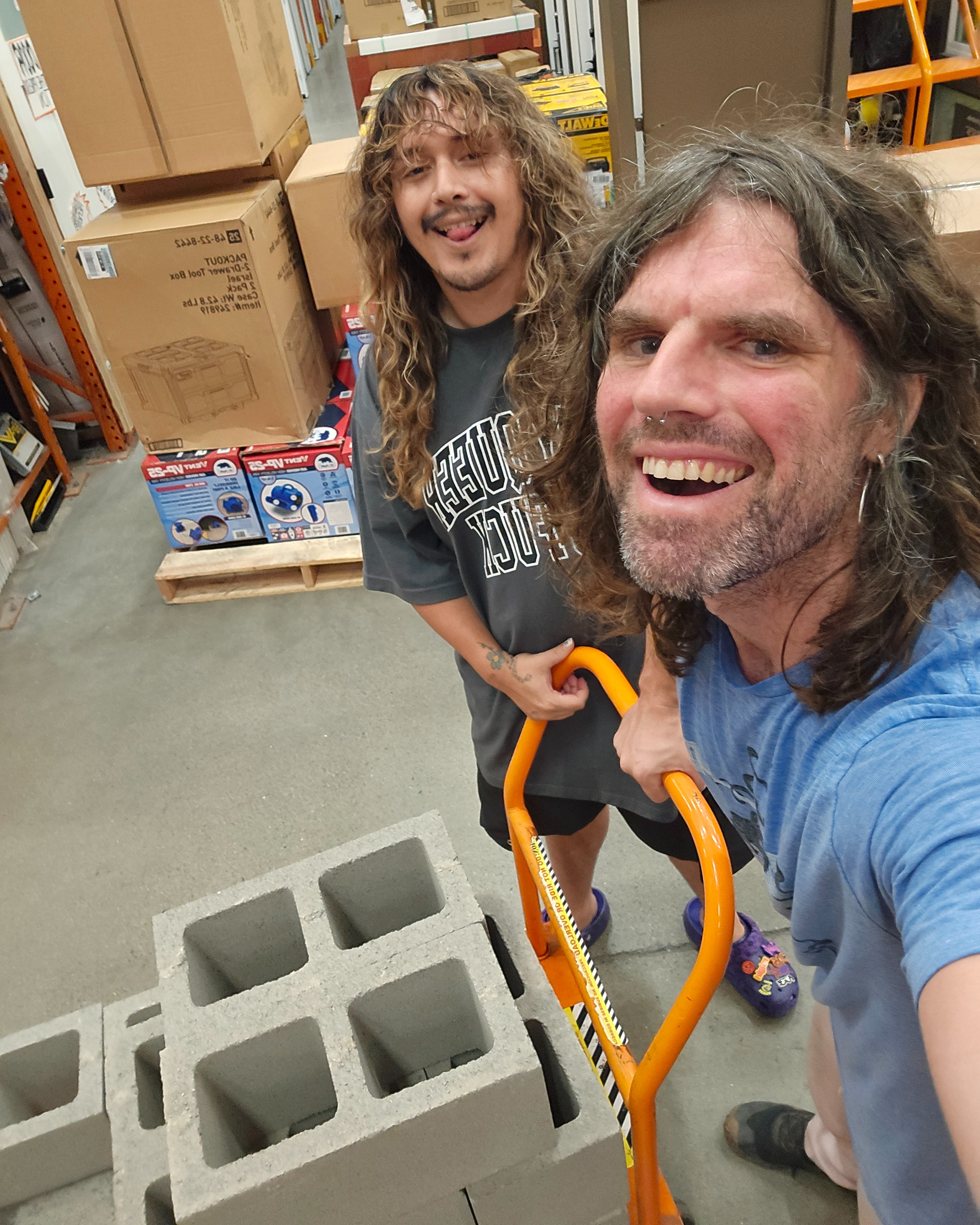
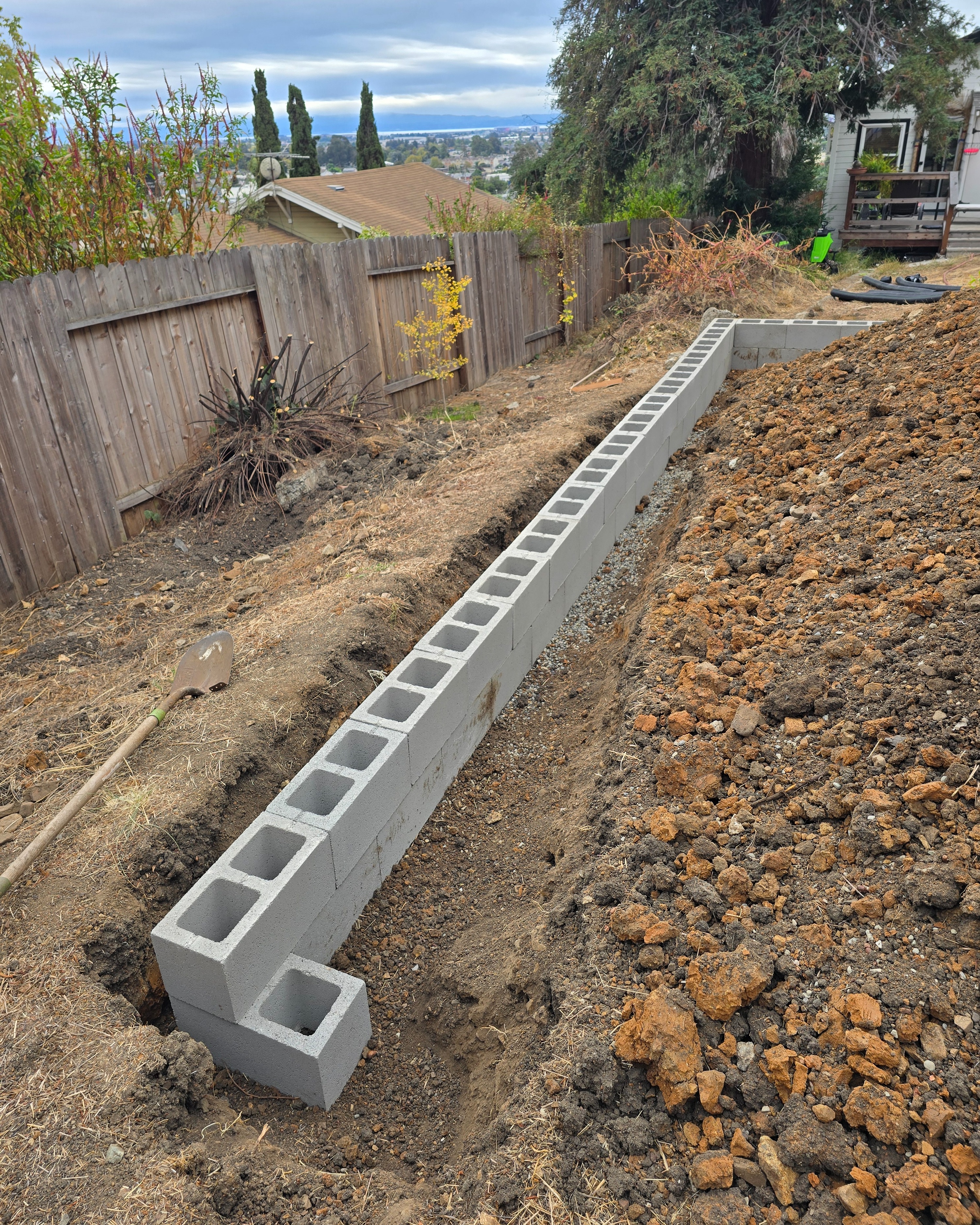
Thanks Nick for funding and helping procure another load of blocks, with which the third corner is turned!
October 6, 2025
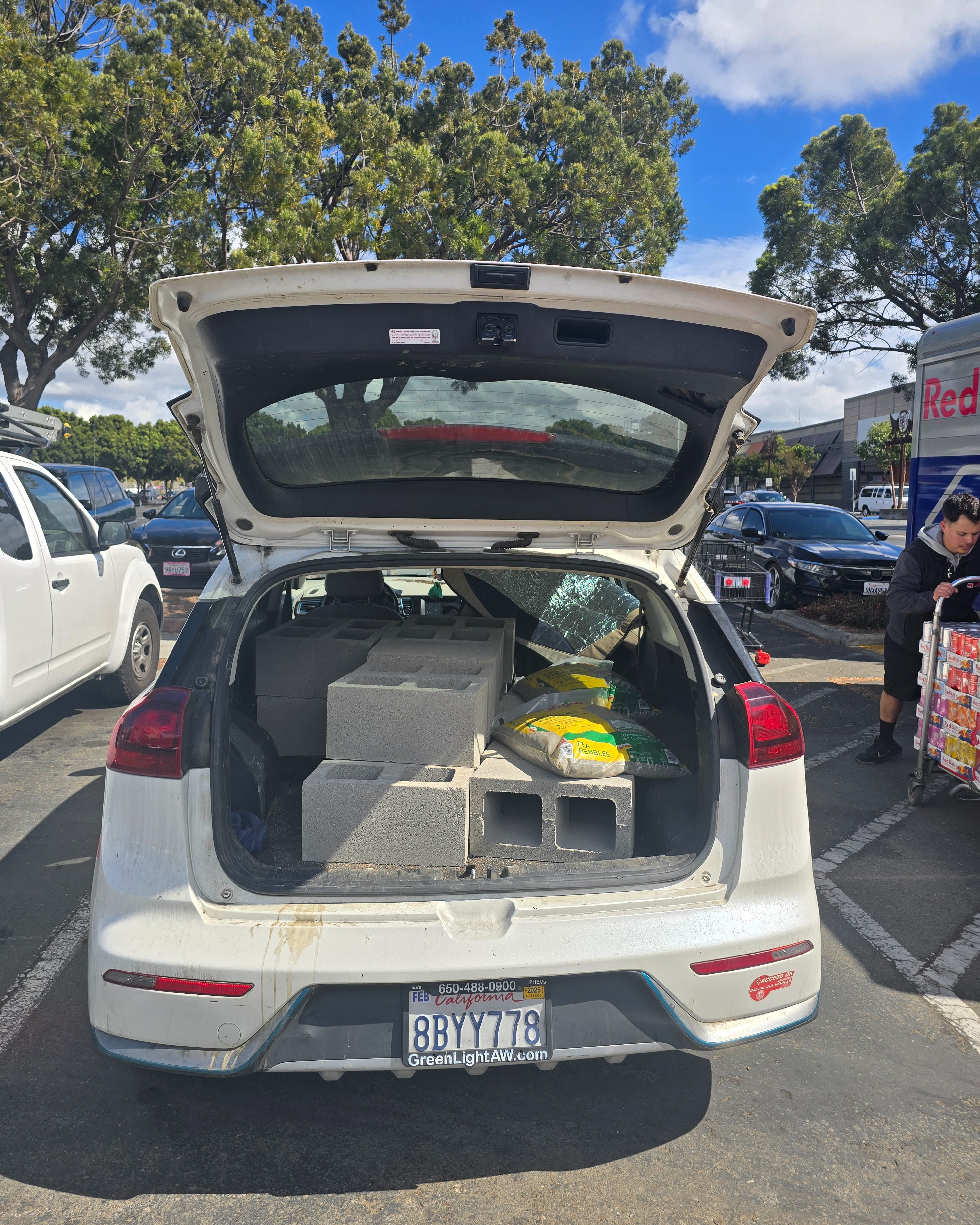
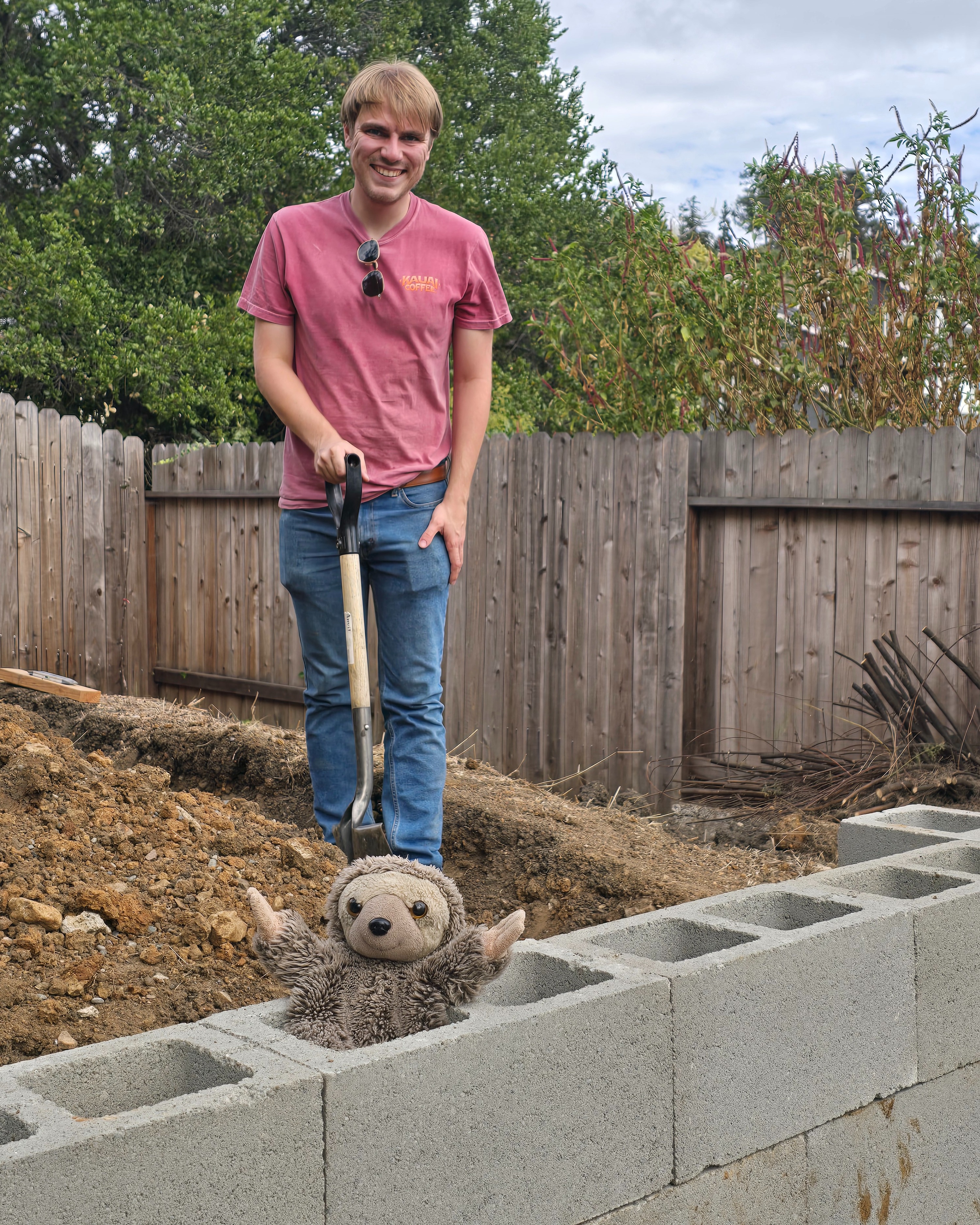
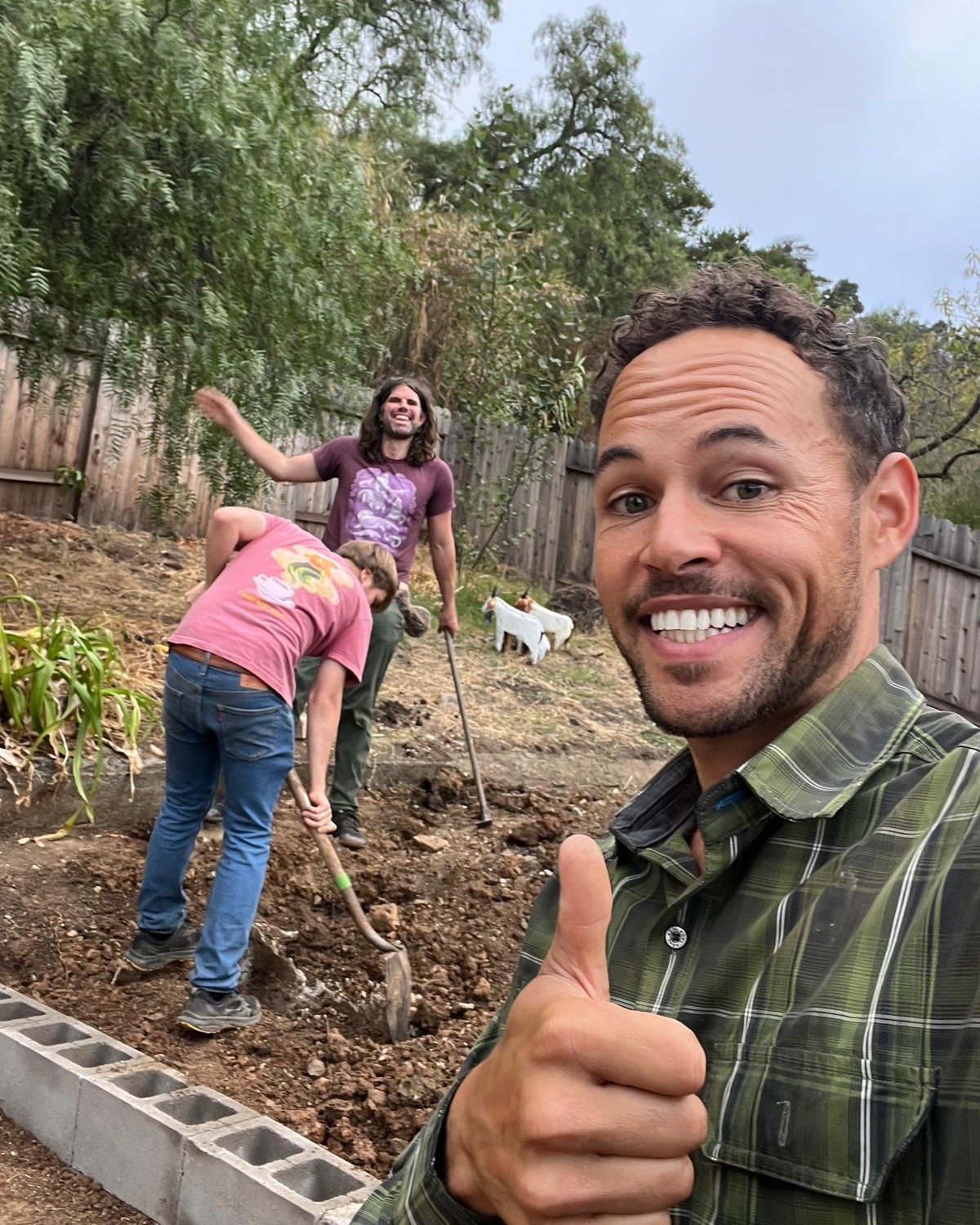
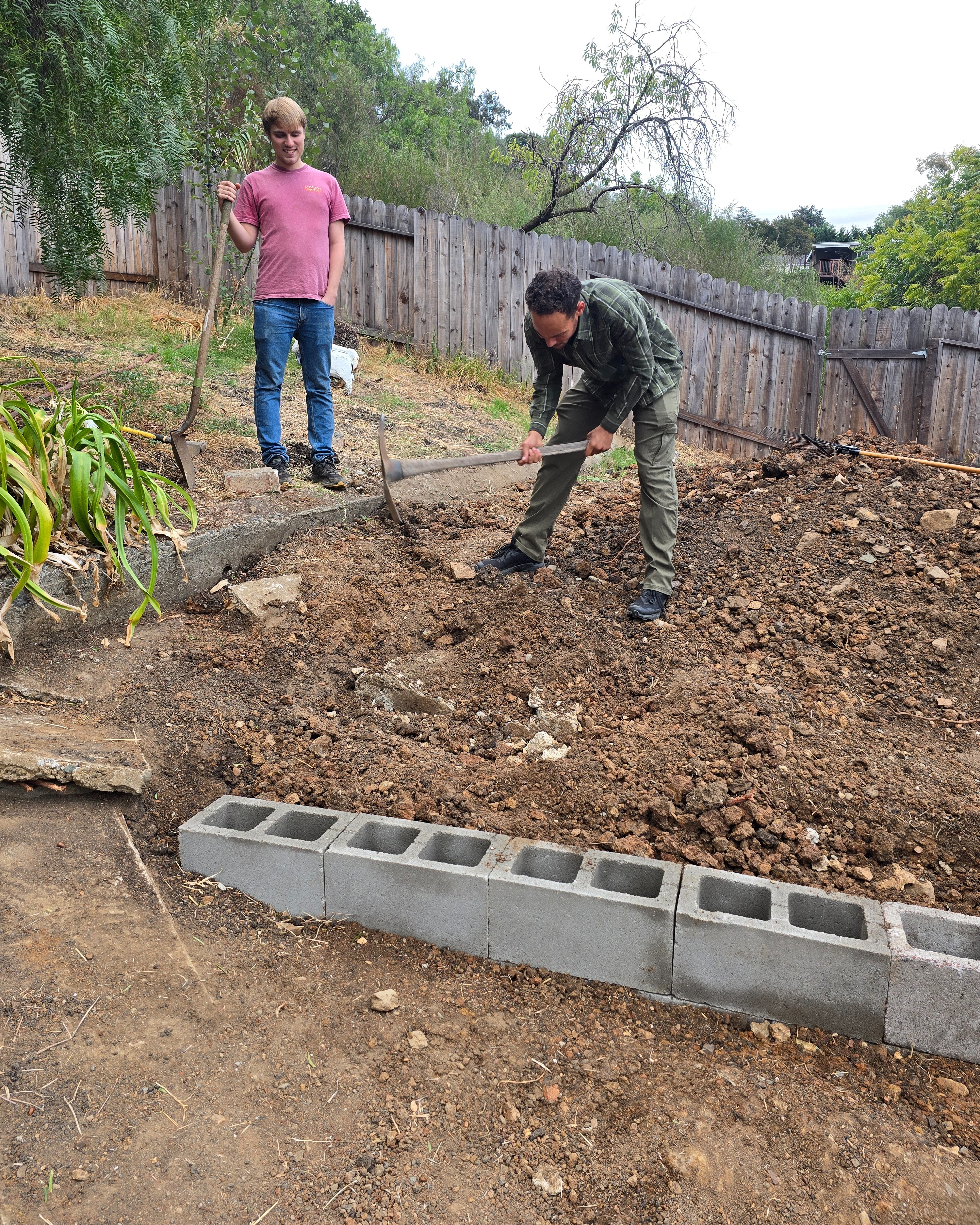
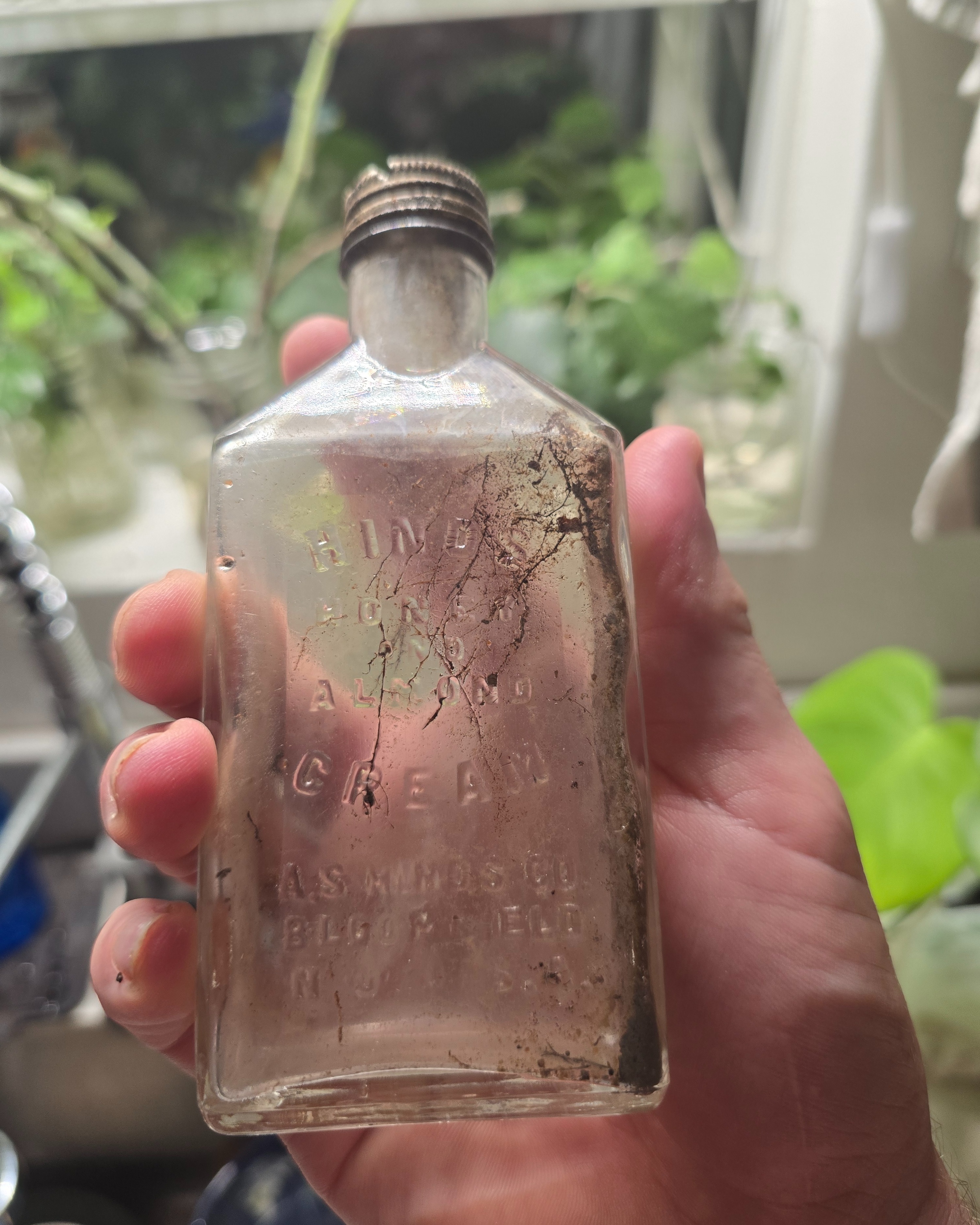

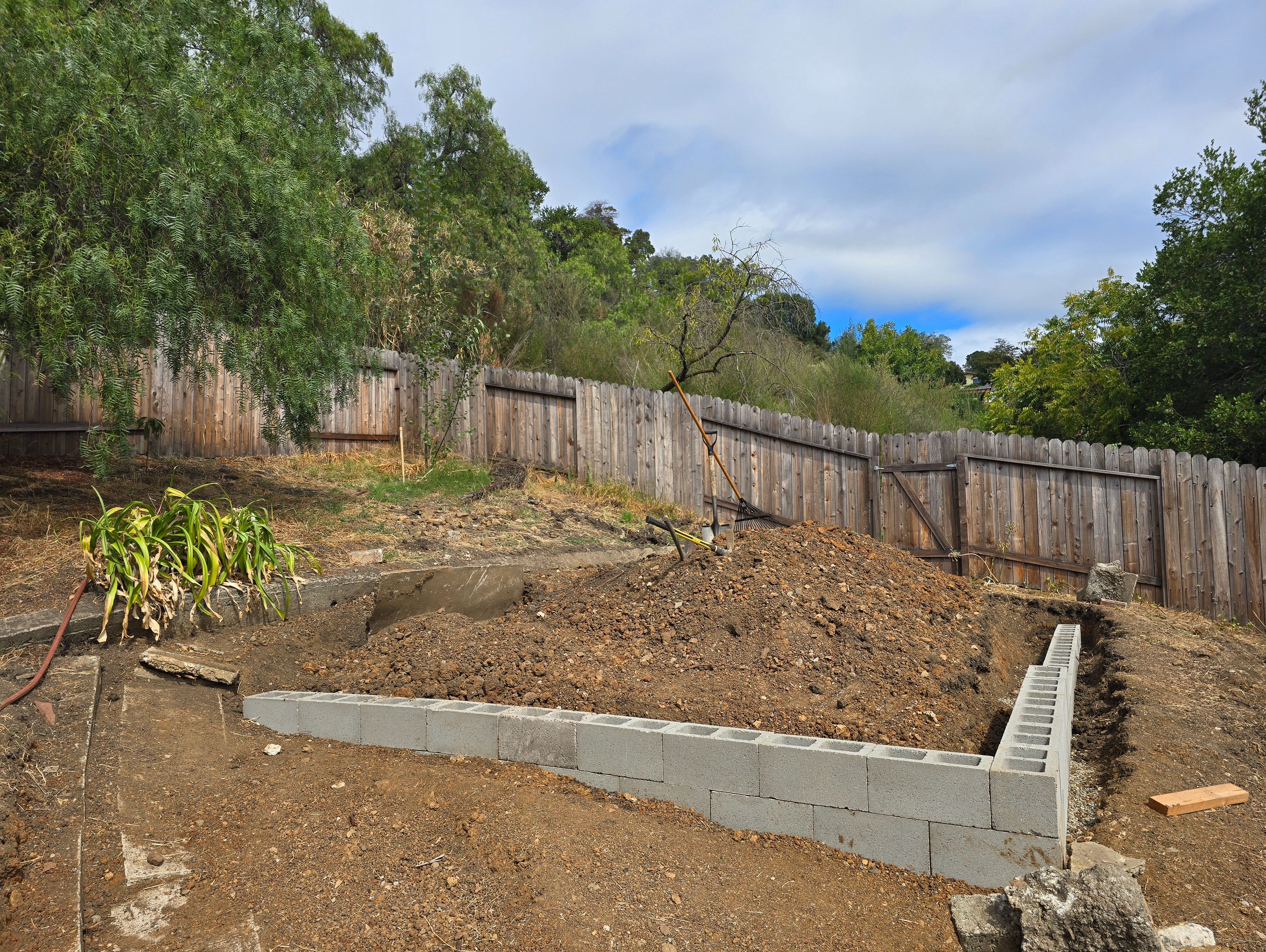
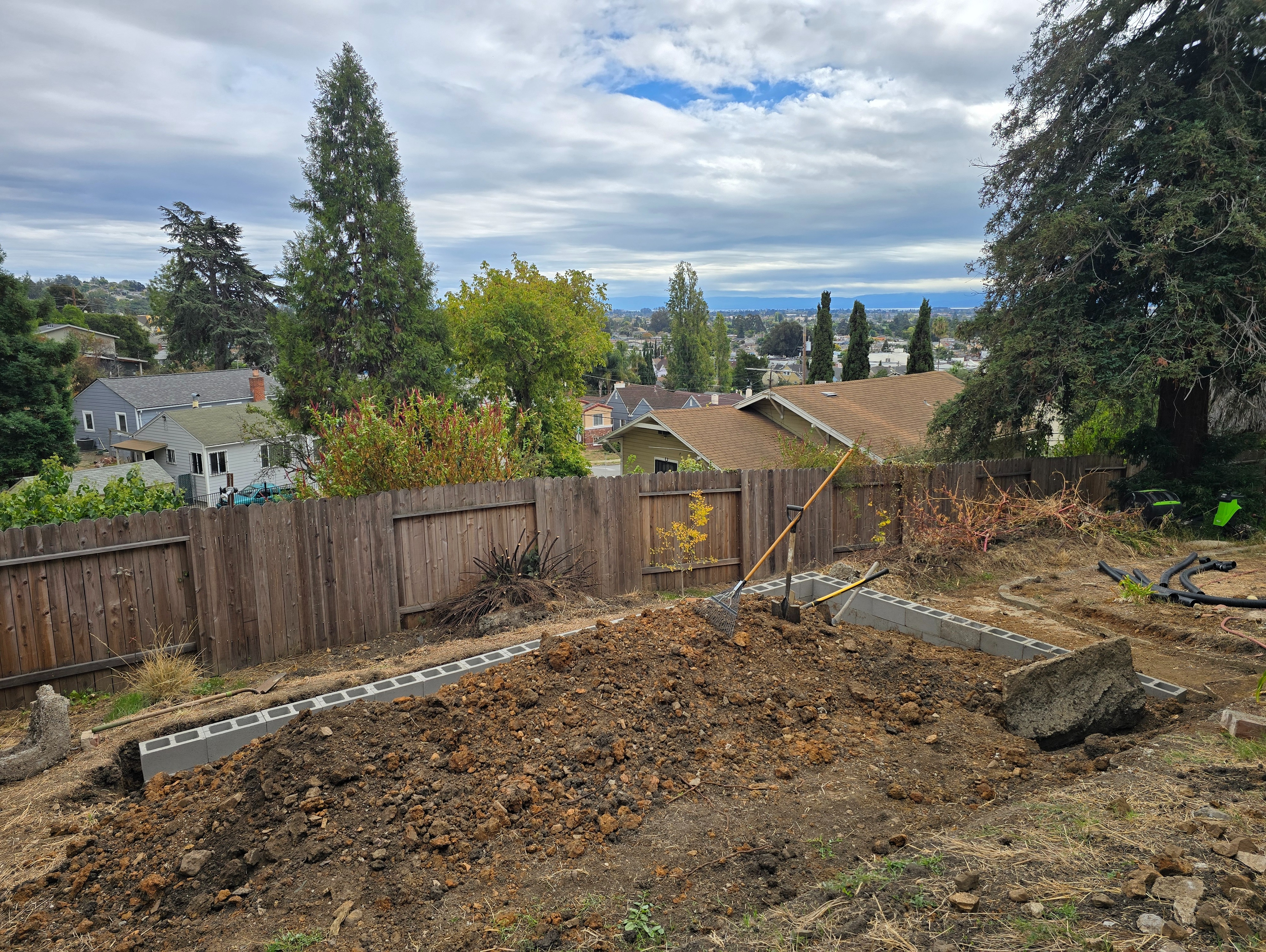
With more blocks and gravel, and much appreciated help from Joseph, Tyrel, and Slothy (seen in-block), we leveled the trench for the long wall, and laid the first courses of blocks. In the process we uncovered slabs and terrace walls from a 1920s garden that had been covered with rocky fill. This required use of pick and sledge hammer to bring below the level of the wall. Among the rocks was an undamaged embossed glass bottle of Hines Honey and Almond Cream of 20s vintage. Ingredients beeswax, borax, alcohol, and oil of bitter almond!
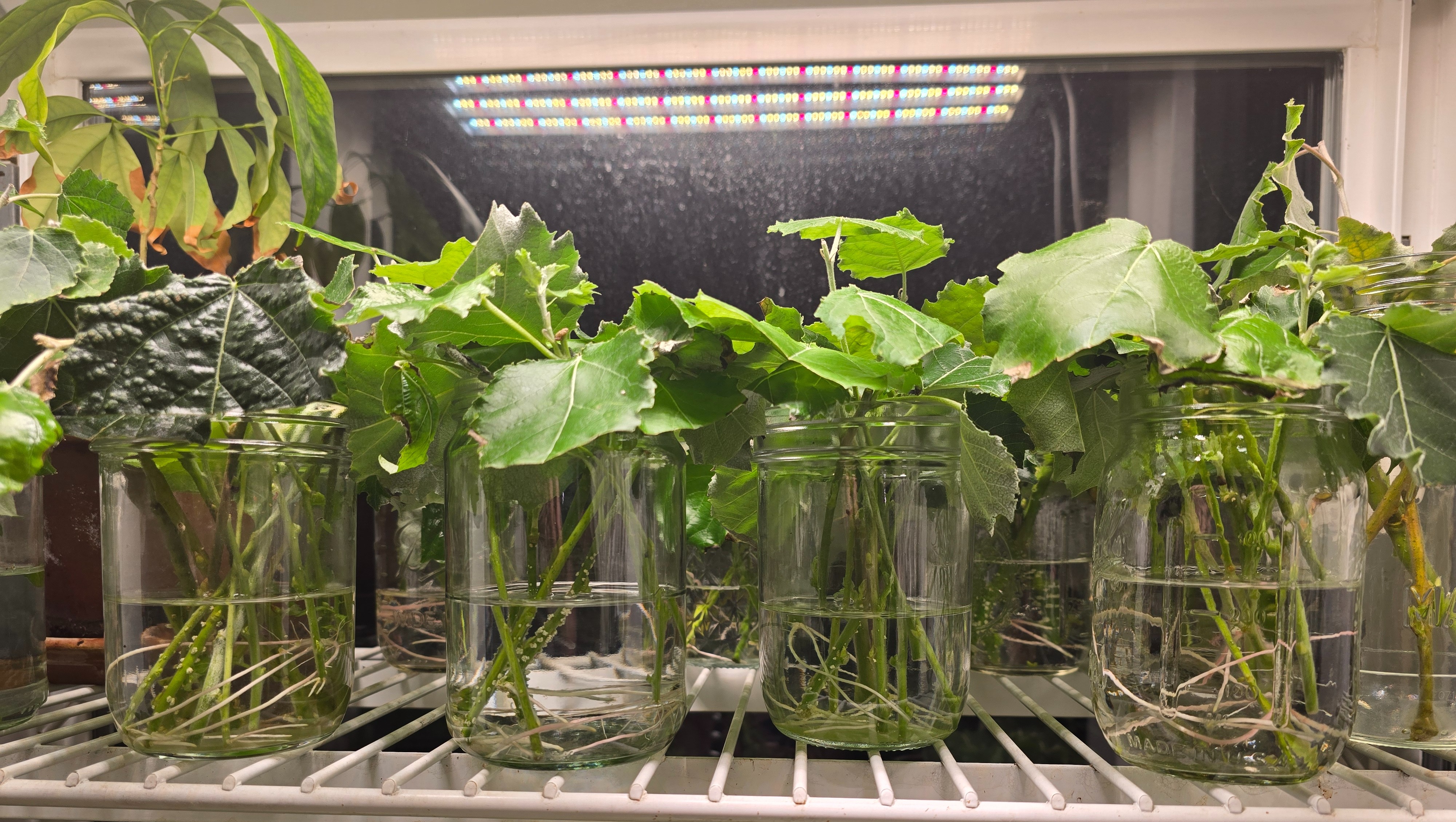
Rooting continues at a rapid clip. Little rain forecast in the next week.